The Warming Surfaces Company: Transforming ambiguity into actionable strategy
A case study in startup innovation - through workshops, ecosystem mapping, digital tool building, and narrative design.
Context & Brief
Marketing person
Business analyst
Industrial engineer
Worked closely with The Warming Surfaces Company startup to identify internal & external challenges and transform them into a streamlined, digital platform that allows the startup to understand their market & contacts better and improve their brand image.
Startup and technology
The Warming Surfaces Company (TWSC) is an R2B startup coming from VTT, a Finnish state-owned research and technology organization.
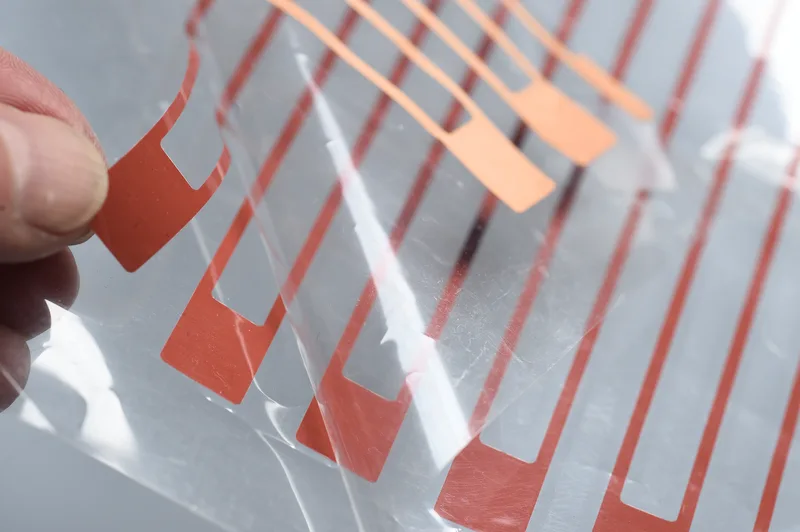
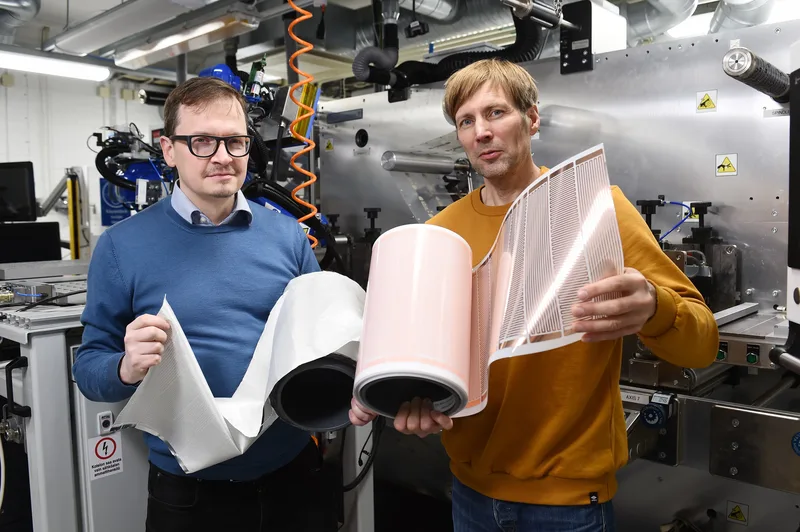
Their technology, Halia® is essentially ultra-thin sheets of metal that can be embedded in different materials and objects like floors and furniture and warm them efficiently, helping people save energy and heating costs.
It can be controlled easily, installed in new or old buildings, and makes heating faster, cheaper, and more eco-friendly.
“Help us become the leading startup for warmth.”
With proprietary Halia® technology, many potential industries, and overwhelming uncertainty, our challenge was to create structure and a way for TWSC to enter the heating technology market.
Essentially a Market-entry and positioning brief
Outcomes & Impact
Outcome
Designed the HaliaLab platform allowing TWSC to analyze the market and understand how to find a successful product in it.
Startup direction
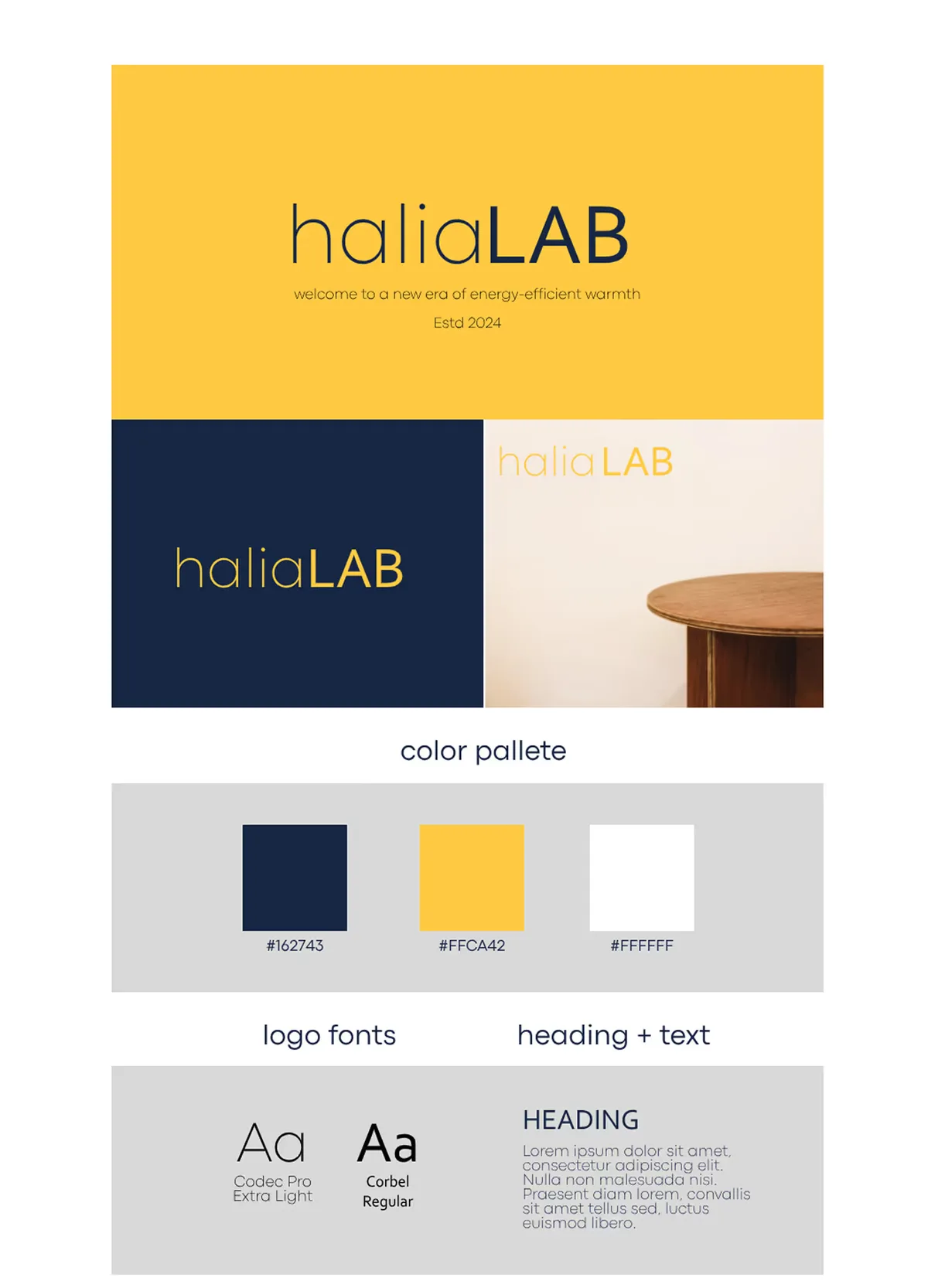
Helped the company collect valuable product ideas and partners, and create a consistent brand.
Impact one year later
TWSC has launched their first product: Outdoor heating tables
Design process in detail
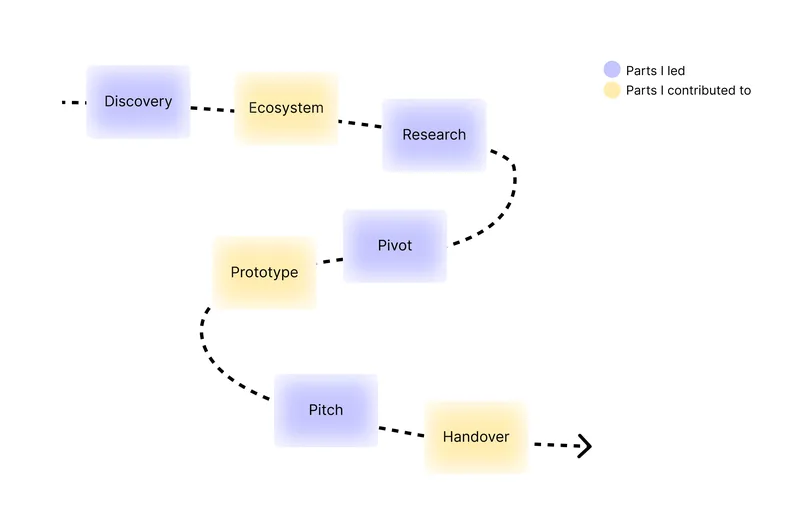
Act 1
Discovery
Discovery & Framing
- Led a Point-of-View workshop session with the team and the CEO to define ‘I wish statements’ for the company direction.
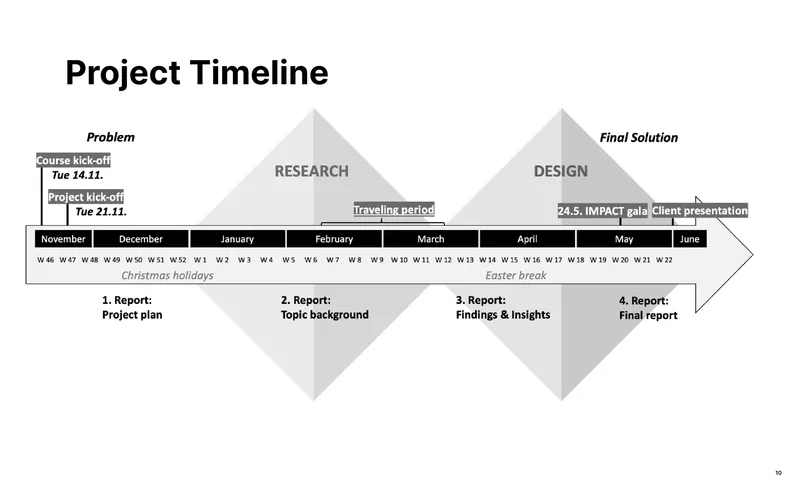
- De-structured the initial brief to come to a formal problem statement, and set expectations for the project, meeting points and milestones.
- After converging through post-it notes, we arrived at two statements:
- “I wish we knew the best product market fit.”
- “I wish we had a paid-for beta program.”
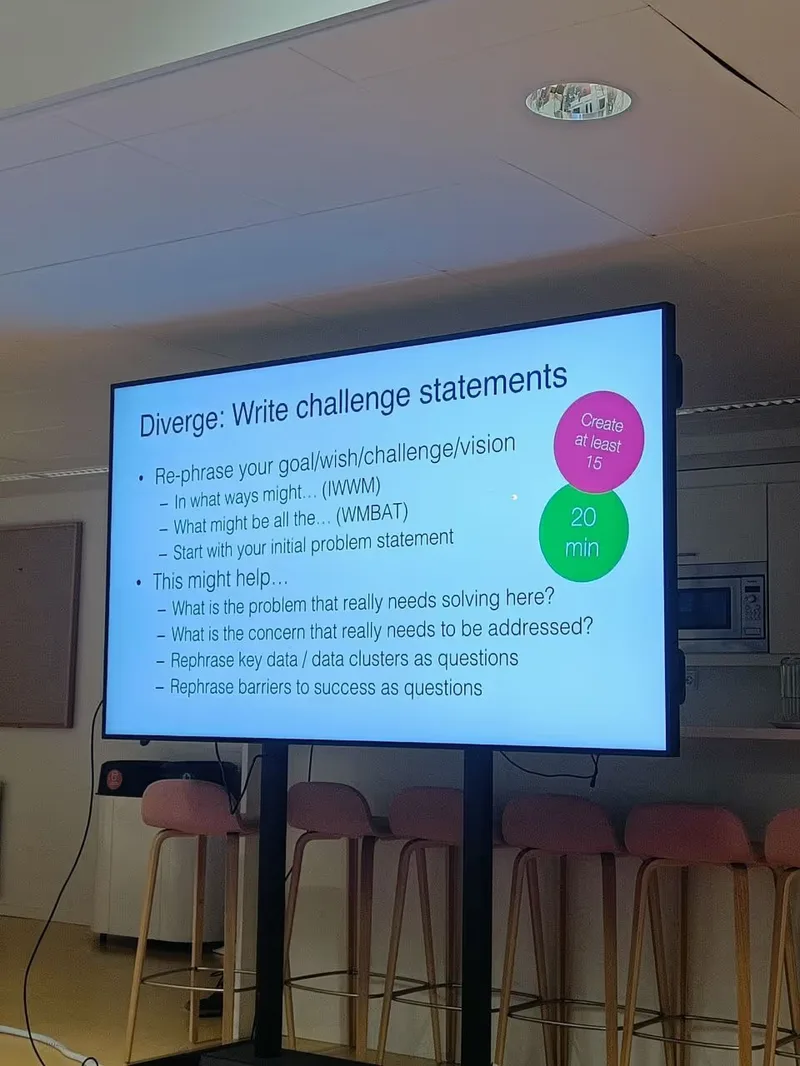
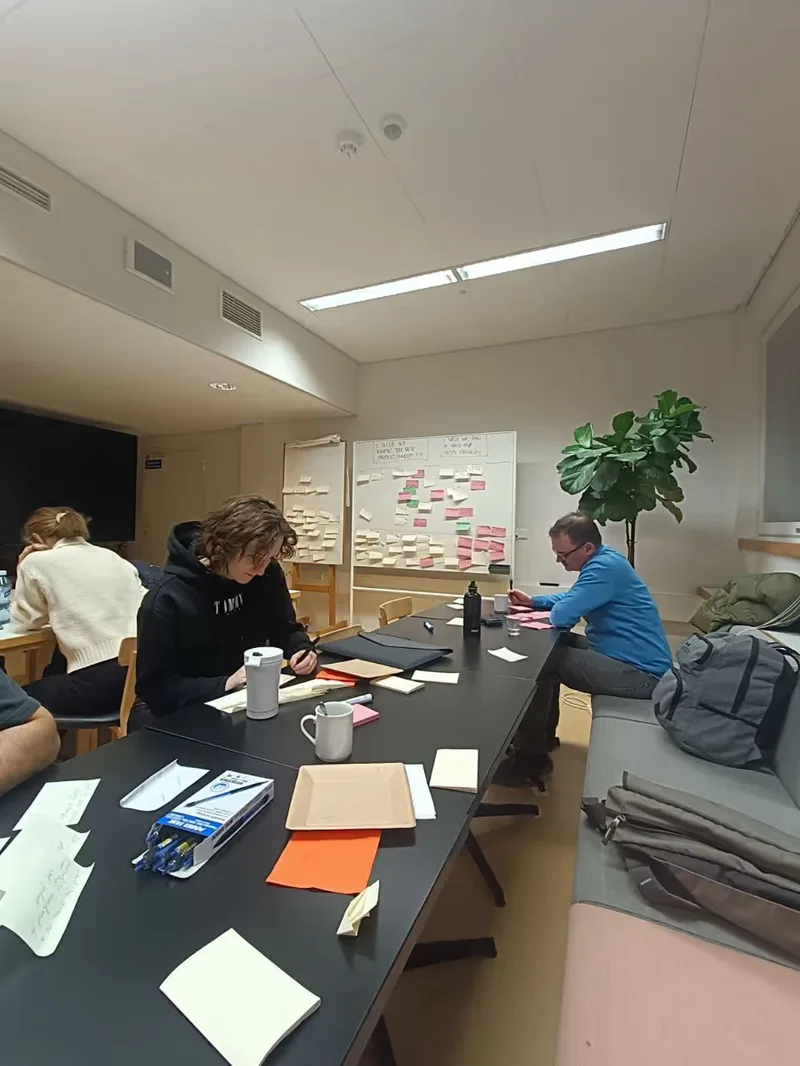
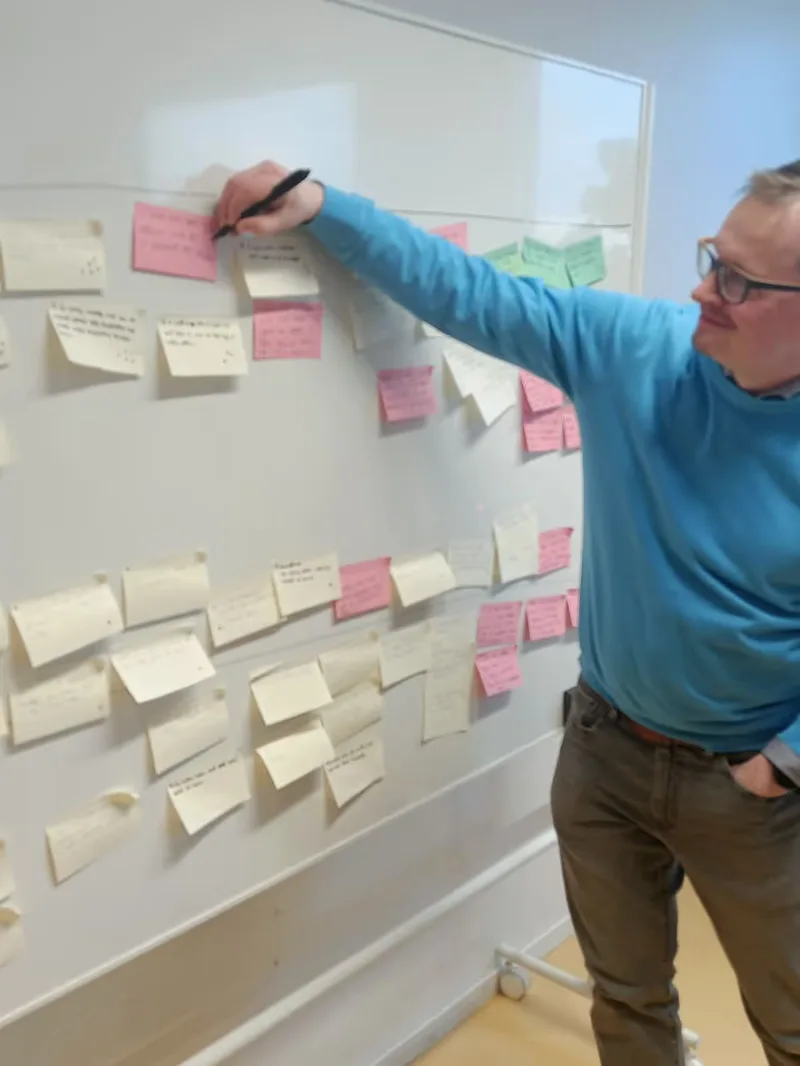
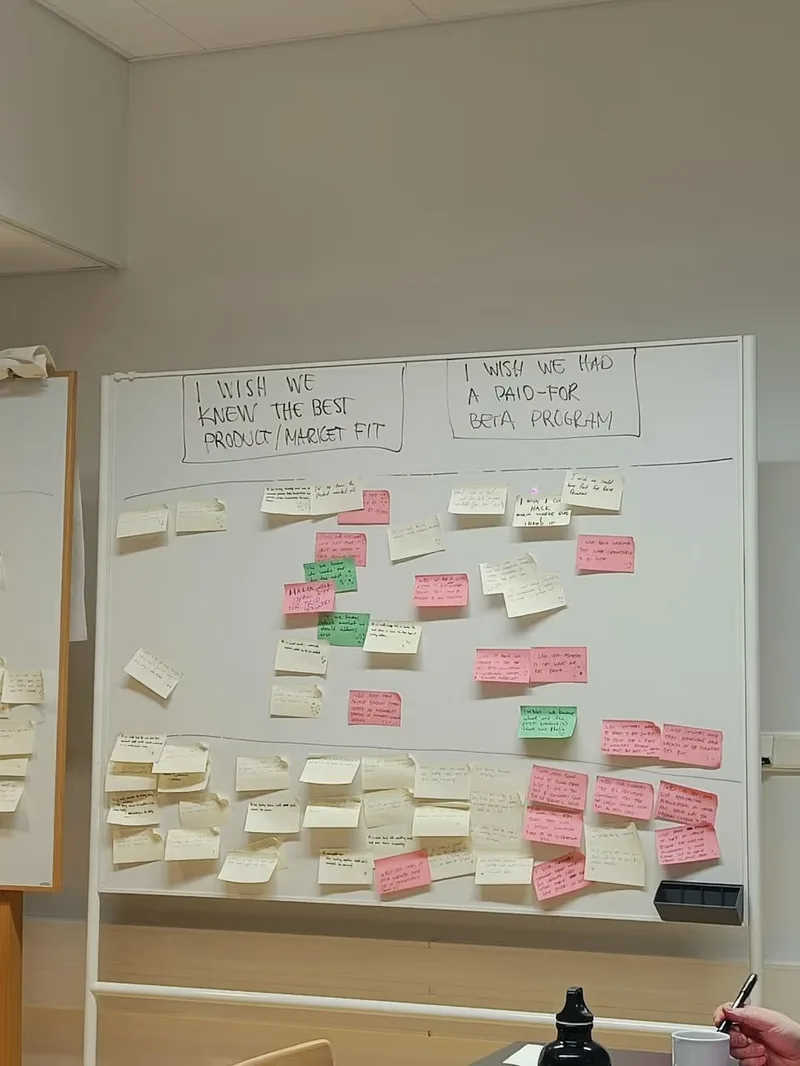
“HOW can we find the BEST product that utilizes TWSC's technology and how might we make it?”
Ecosystem Research & Mapping
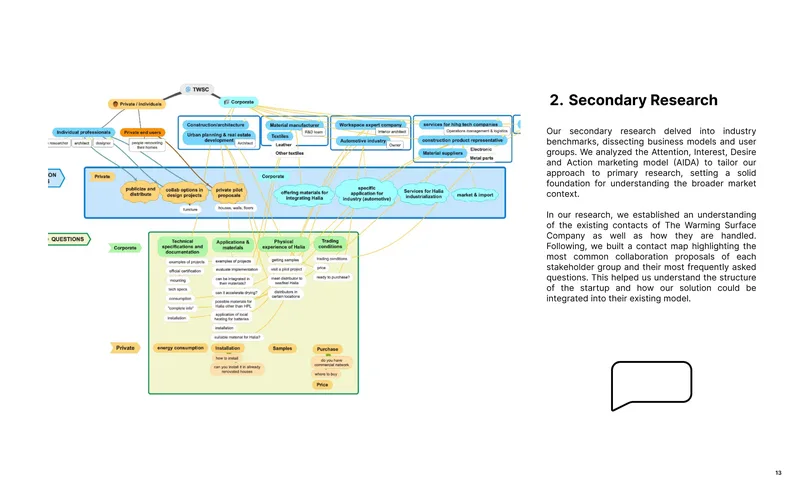
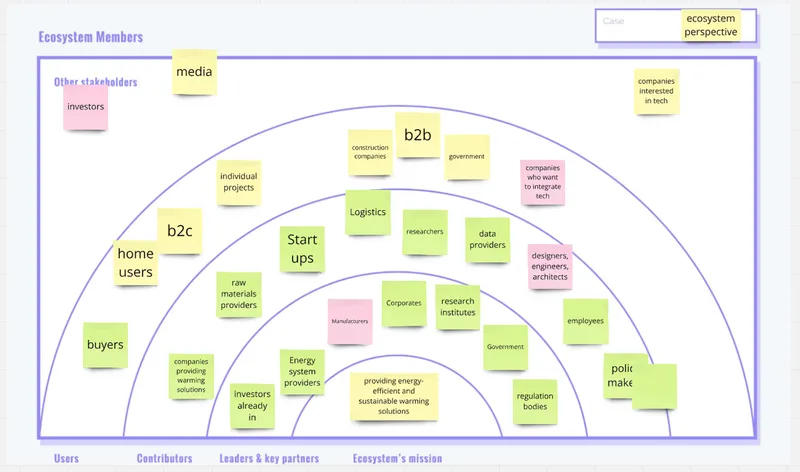
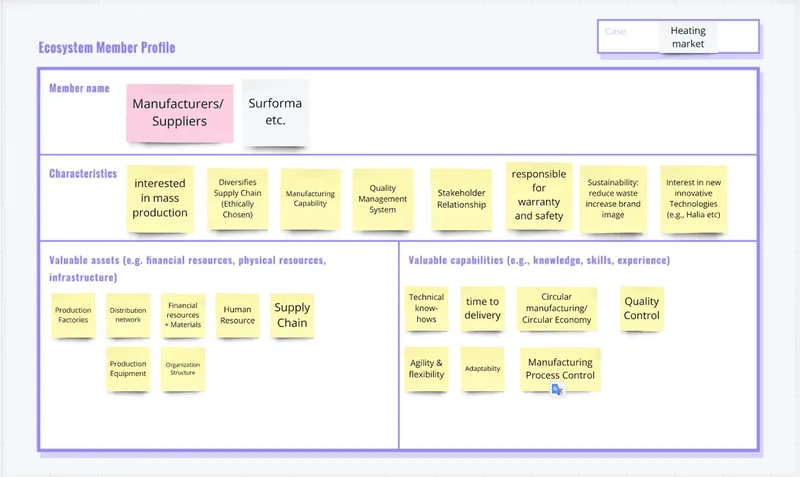
- Analyzed 50+ potential collaborators (manufacturers, designers and brands) through an ecosystem analysis process.
- Mapped the ecosystem mission in the center, and stakeholders around it.
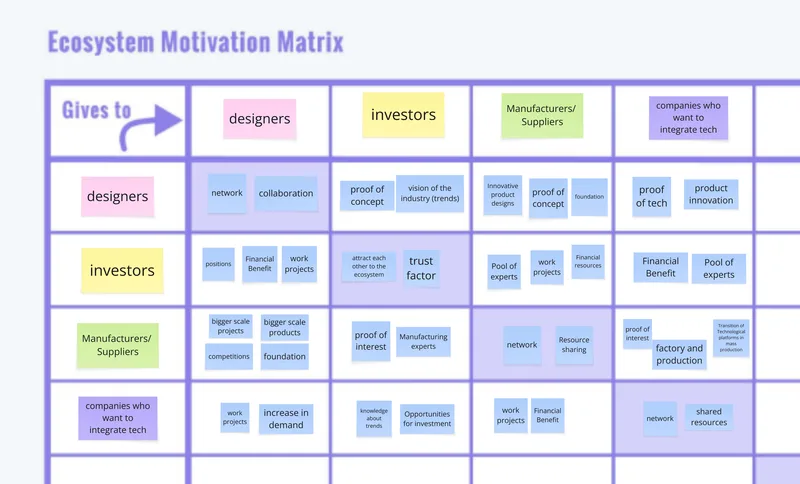
- Listed all the possible collaboration partners, key leaders and users, mapped out valuable contributions and capabilities for each core ecosystem member.
- Looked at what different key stakeholders provide to each other, and thus where our pain points are and potential customers struggle areas.
UX & Field Research
- Formulated a list of potential companies to talk to during first-hand interviews and discussions from the ecosystem analysis.
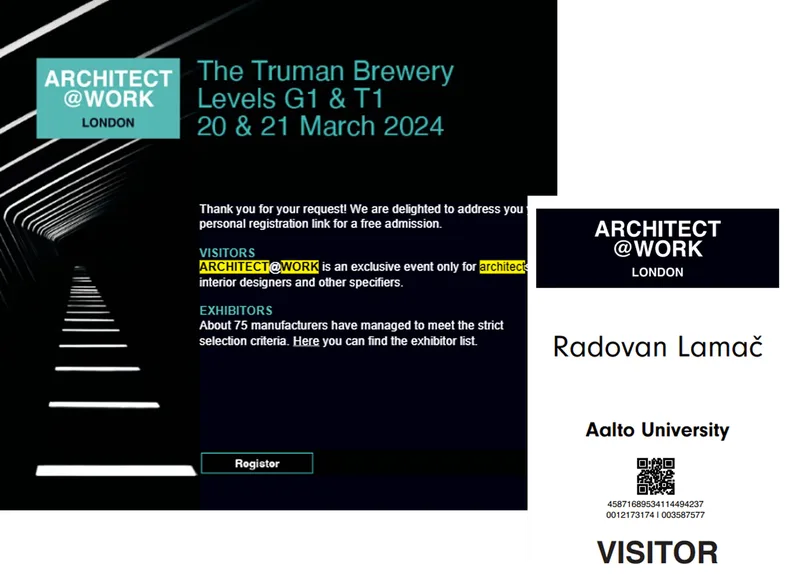
- Visited the A@W Expo event in London to understand the ecosystem closely, map out possible companies and individuals TWSC could work with.
- Created potential bridges between companies and TWSC.
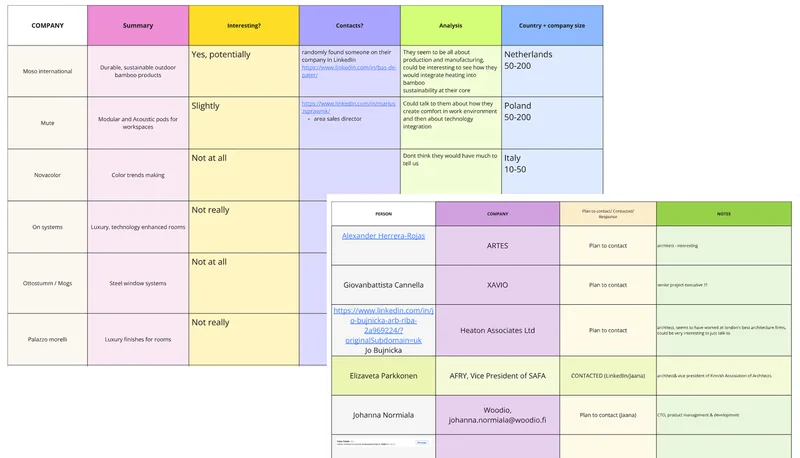
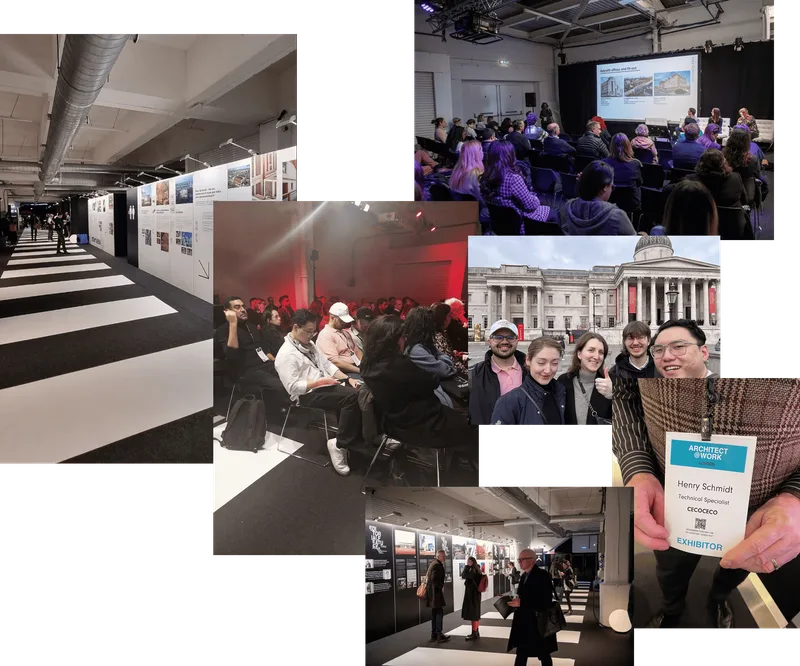
Talking to partners did not help solve the core problem: understanding the product-market fit
Thus almost no valuable leads from 50+ conversations
It was at this time that our engineering teammate left the team.
Act 2
Direction
Strategic Pivot
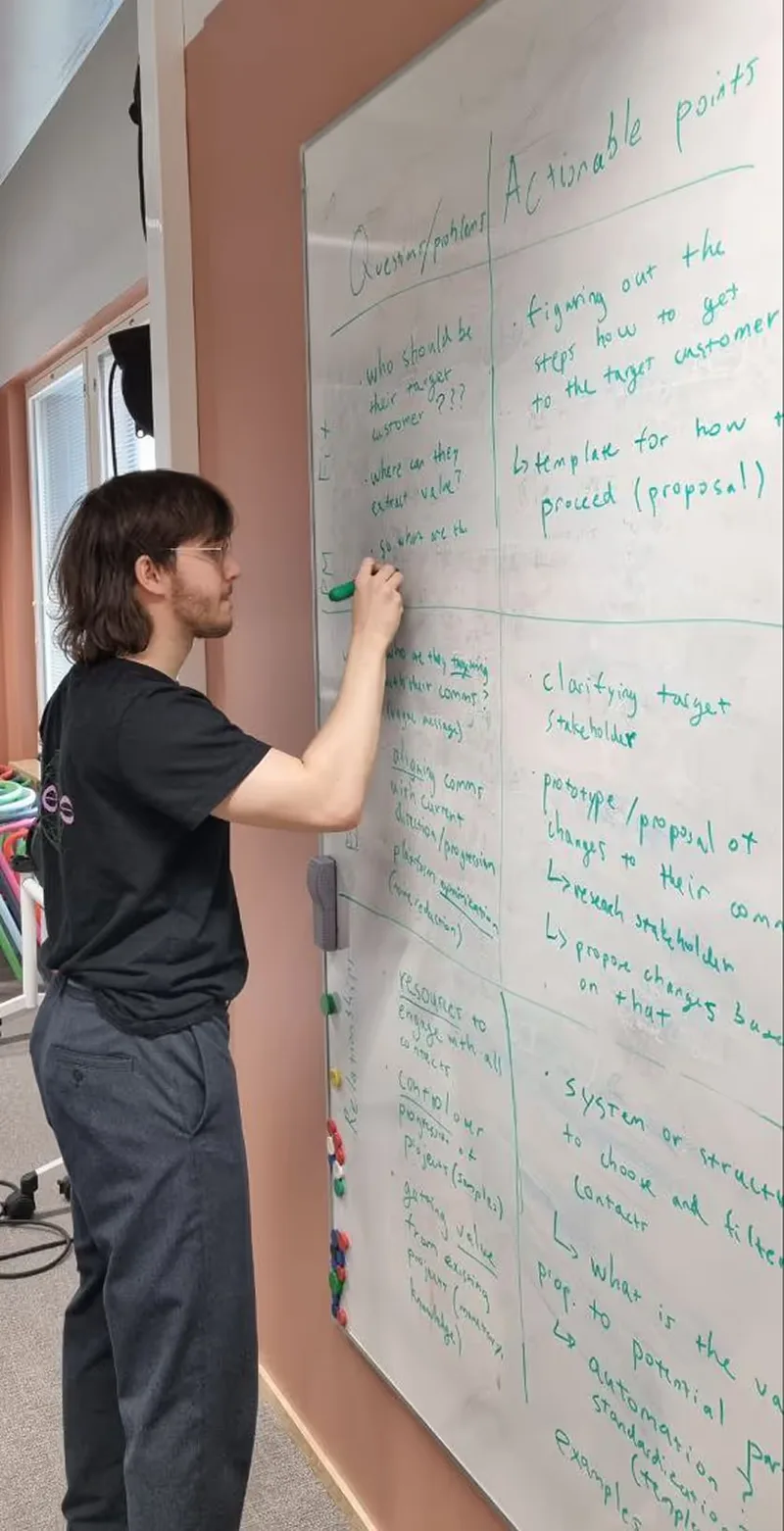
- Led a team reset, reframing the problem together with our mentor.
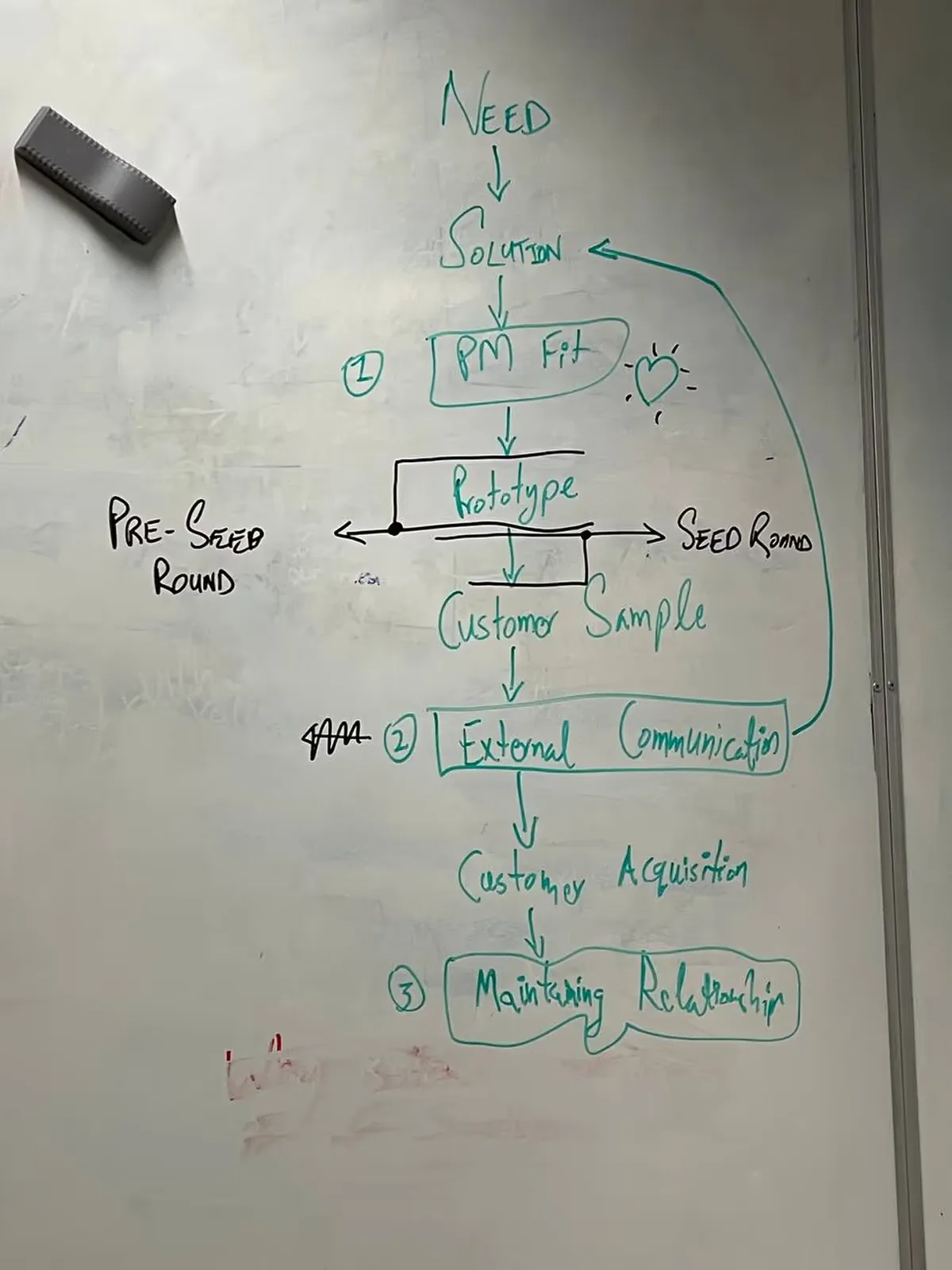
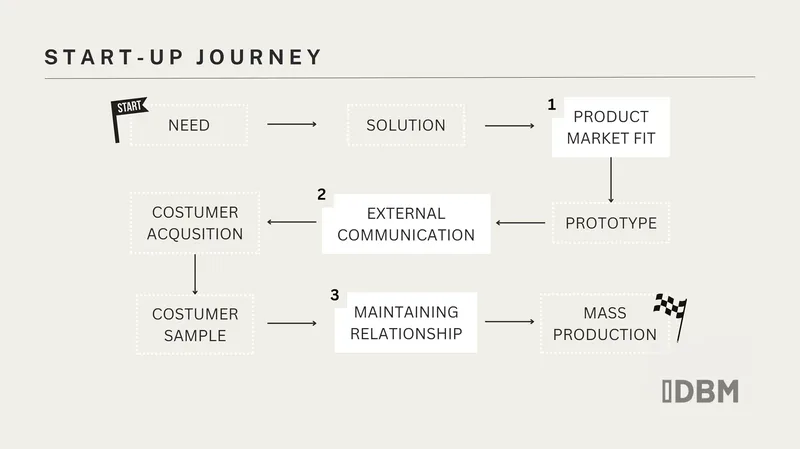
- Looked at the entire average startup journey and understood where TWSC are struggling.
- Mapped out the core problems that stop the startup from succeeding.
- Systematically visualized the necessary steps to get an MVP out in the given timeframe we have to finish the project.
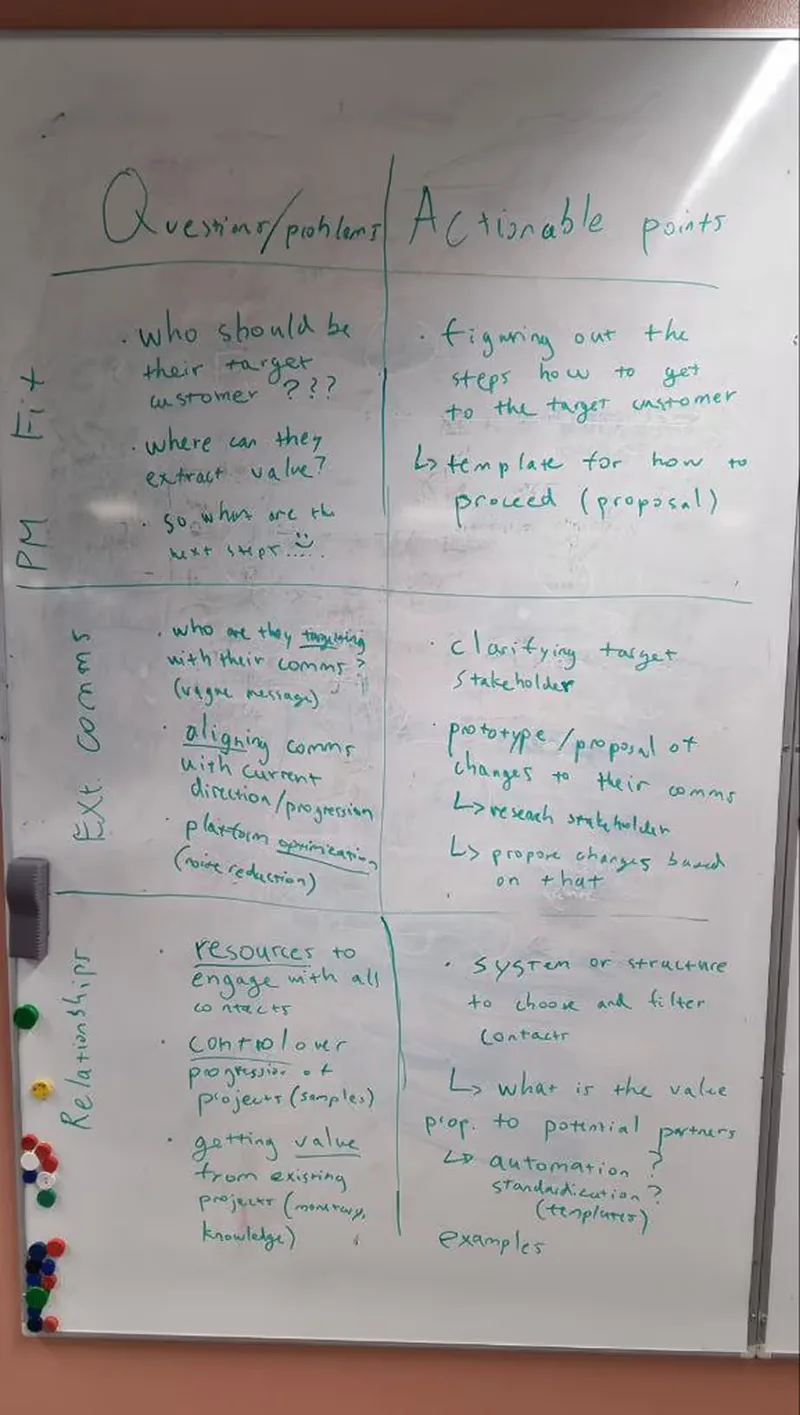
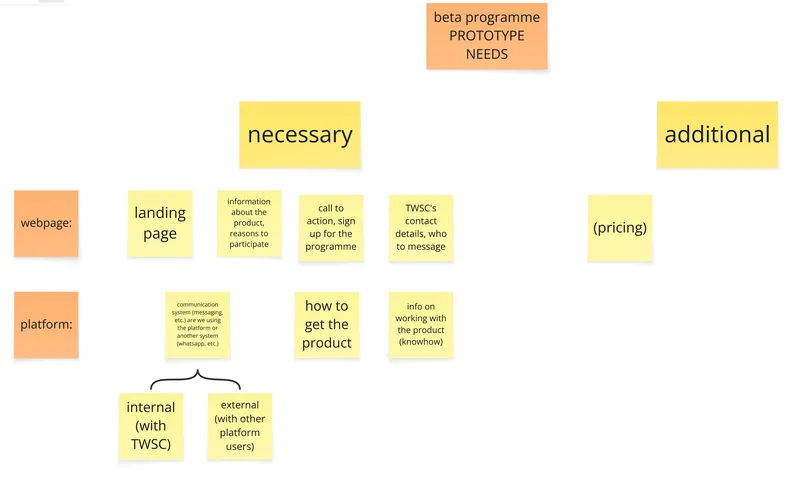
“TWSC doesn't need a product, they need a PLATFORM to test PARTNERSHIPS.”
Prototyping & MVP
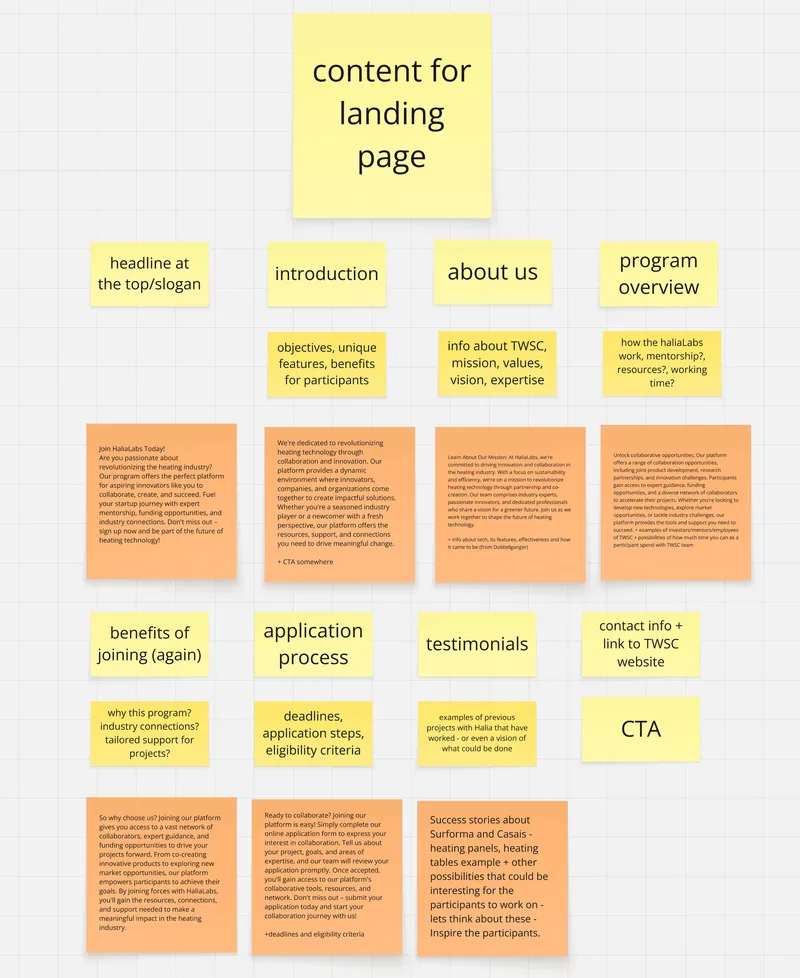
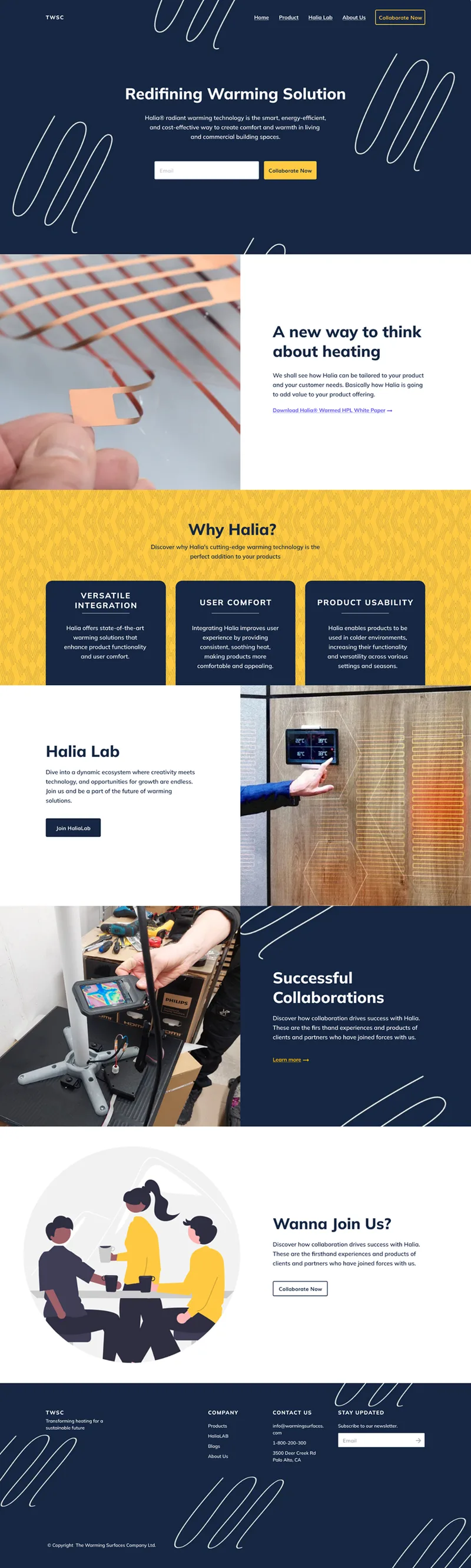
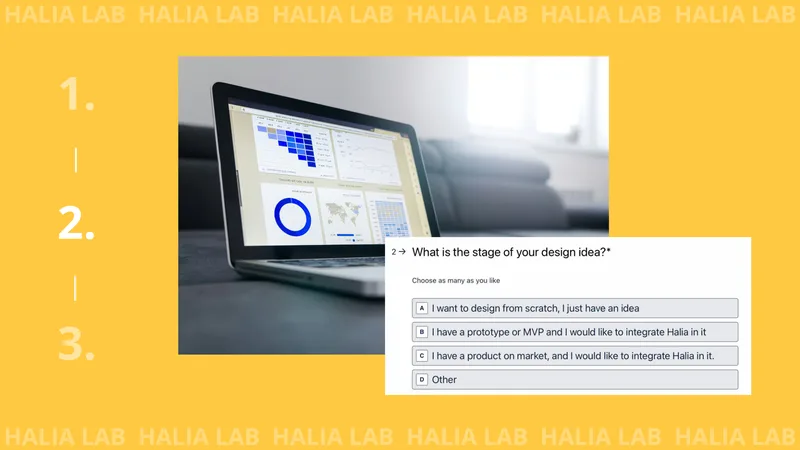
- Co-designed the Beta platform structure prototype and MVP.
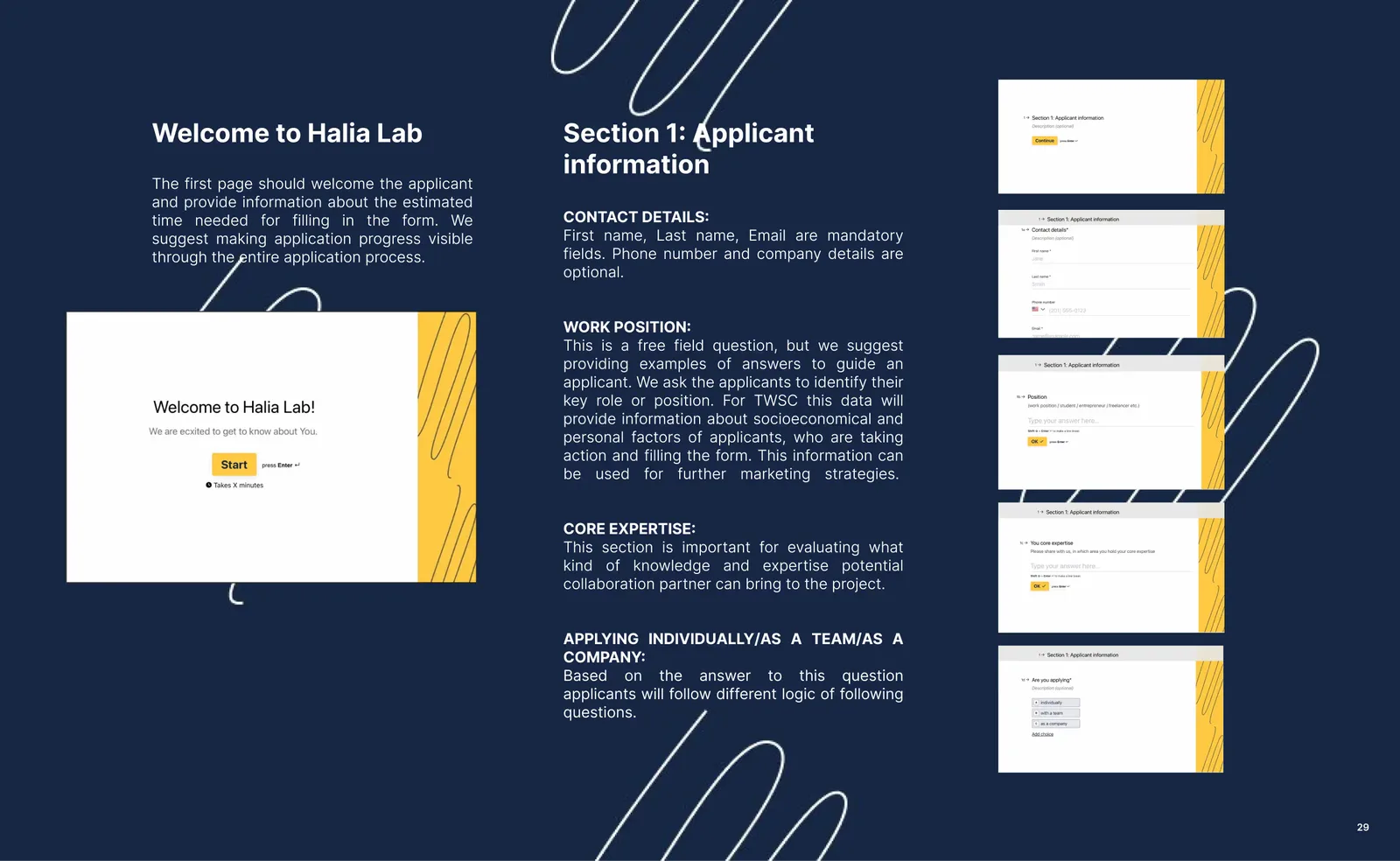
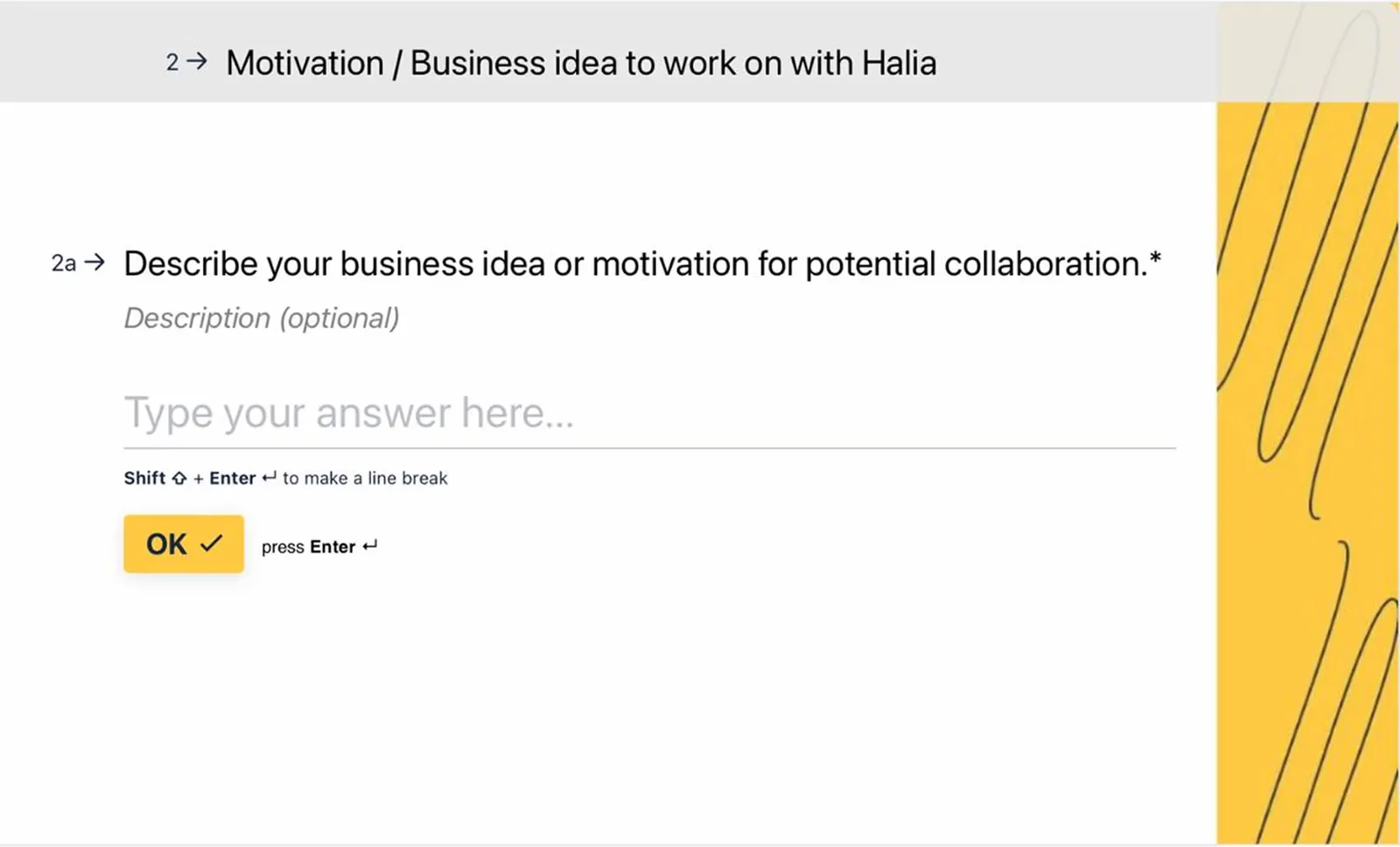
- Helped design the two final parts: the submission form and the webpage together with our branding person and marketing person.
- Designed the application flow and partner evaluation system.
Act 3
Delivery
Storytelling & Pitch Design
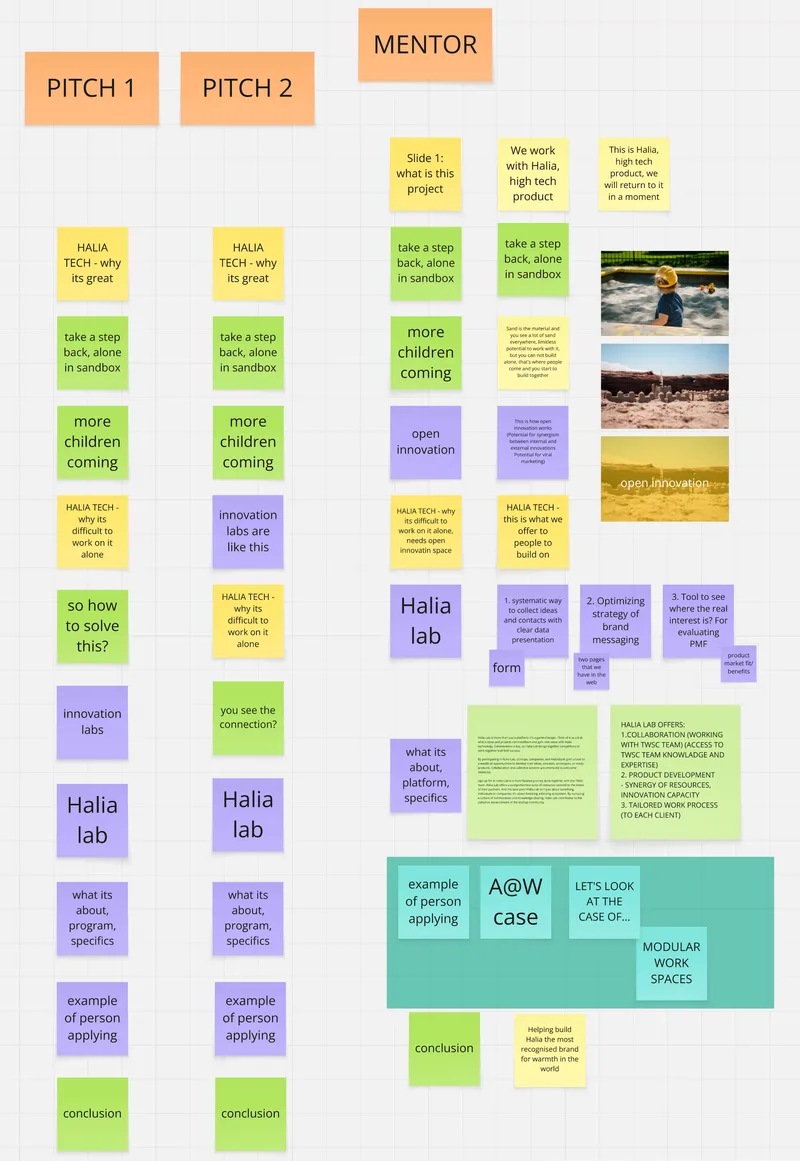
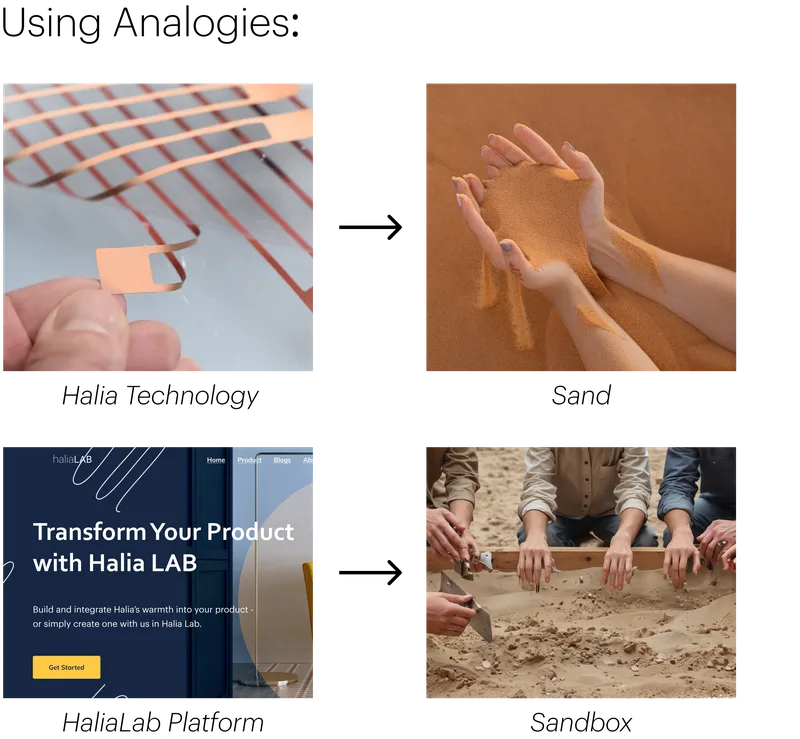
- Crafted the pitch narrative together with our mentors.
- De-structured the final pitch into sections, and highlighted key aspects to convey to the audience.
- Tested, practiced and refined the pitch.
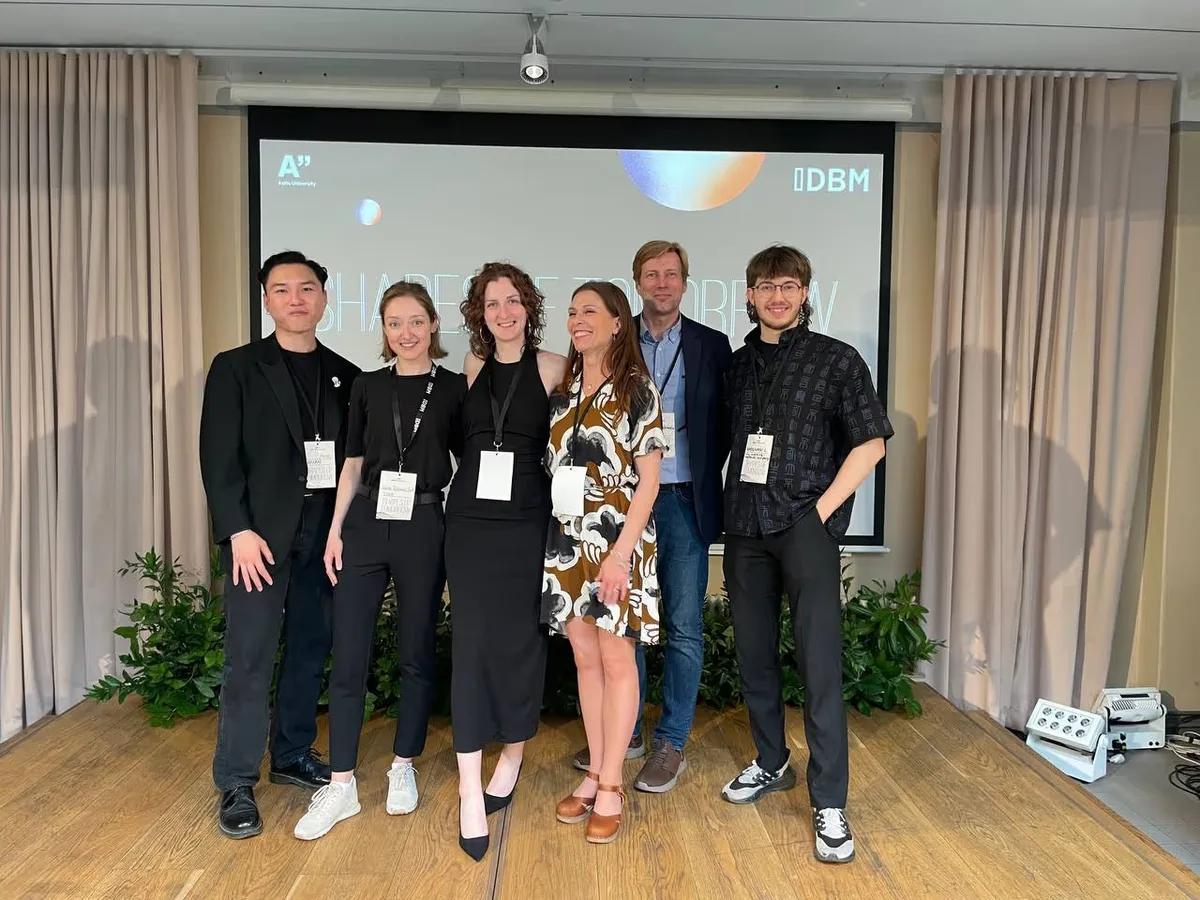
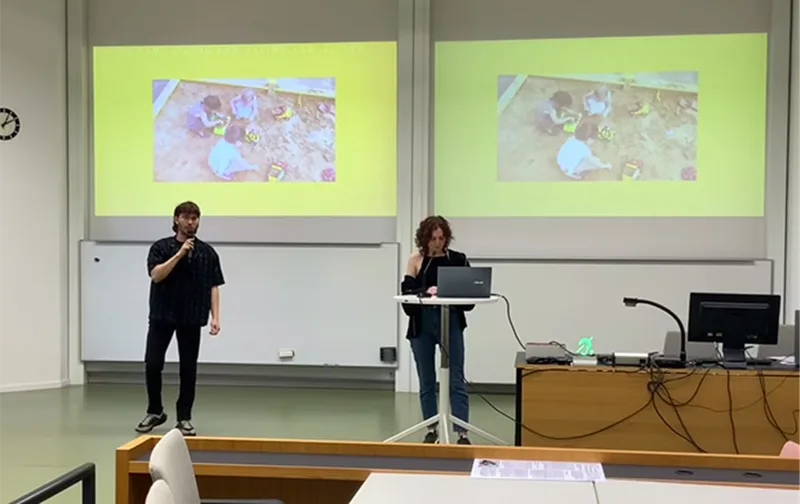
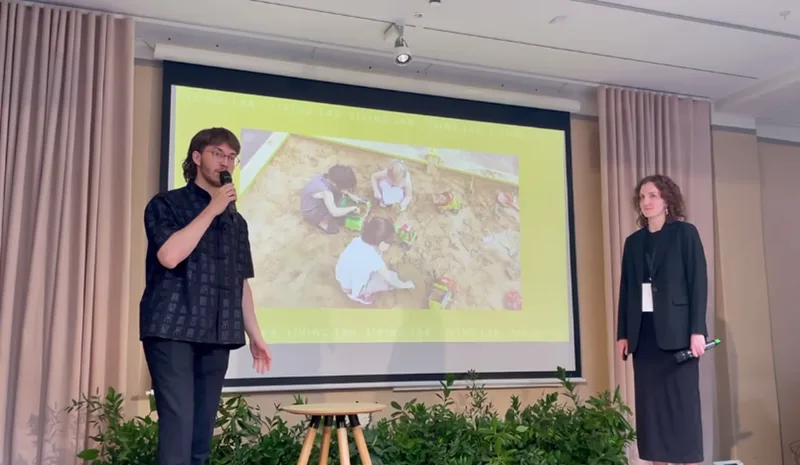
- Delivered the pitch together with a teammate at IDBM Gala event.
Handover & Reflections
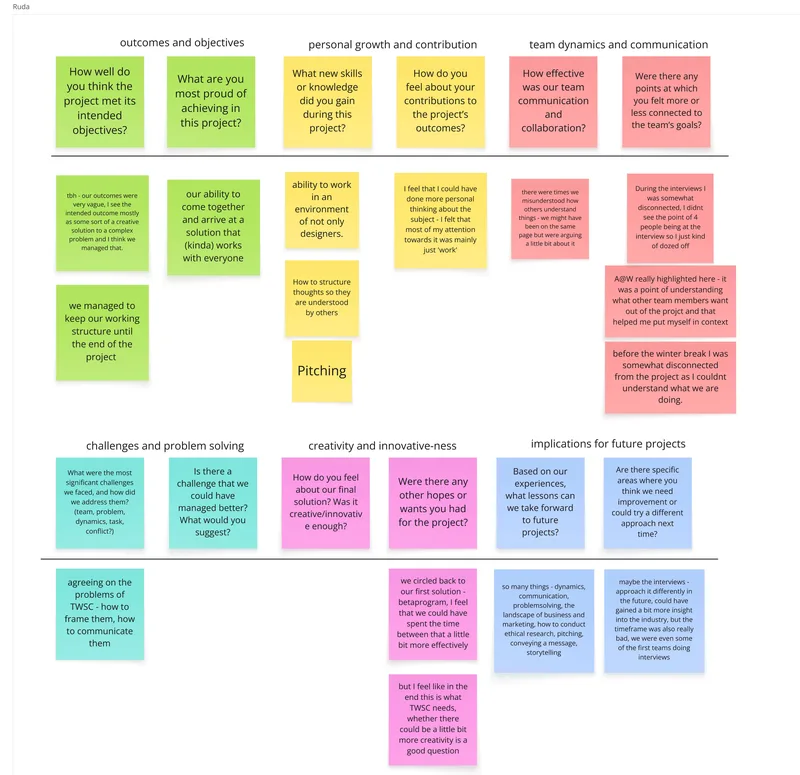
- Led and organized an internal reflection workshop touching upon six important themes.
- Compiled material to be handed over to the startup so that our project can be continued.
- Created a handbook explaining our process and final outcome.
- And one of my teammates even got hired after the project to continue working on it and refine it further.