Designing for the visually impaired: equal play, shared joy
A case study in inclusive play - blending sensory design, research, and empathy into a tactile game experience for visually impaired and sighted children.
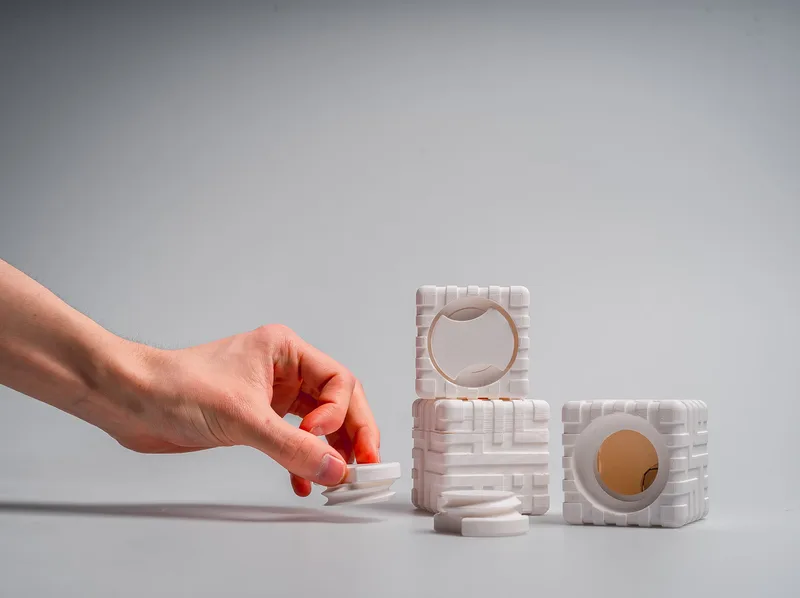
Project & Brief
Play is a fundamental right, enshrined in Article 31 of the UN Convention on the Rights of the Child, and a powerful developmental tool. Yet for blind and visually impaired children, play is often inaccessible, isolating, or adult-guided.
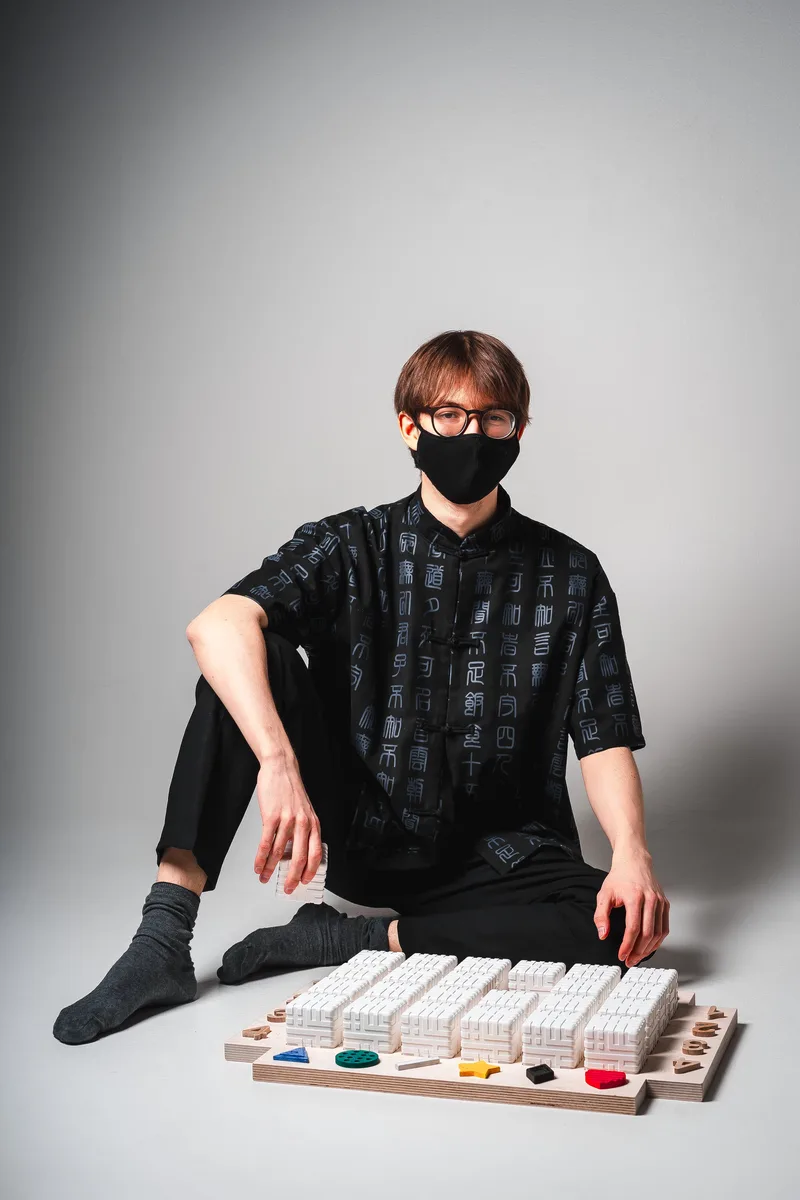
This was a foundational solo project in which I explored how design can create inclusive environments for children with visual impairments. The goal was to bridge the developmental and social gap in play between blind and sighted children by designing a game that encourages equal participation, shared strategies, and mutual joy.
“Design a shared experience to integrate visually impaired children into common classrooms.”
Key aspects of the brief:
1. Equality — Ensure equal opportunity to strategize and win for both blind and sighted players
2. Producibility — Design with real-world playability, shareability and scale in mind.
3. Shared delight — Make the game engaging and enjoyable for sighted children as well
Outcomes & Impact
Outcome
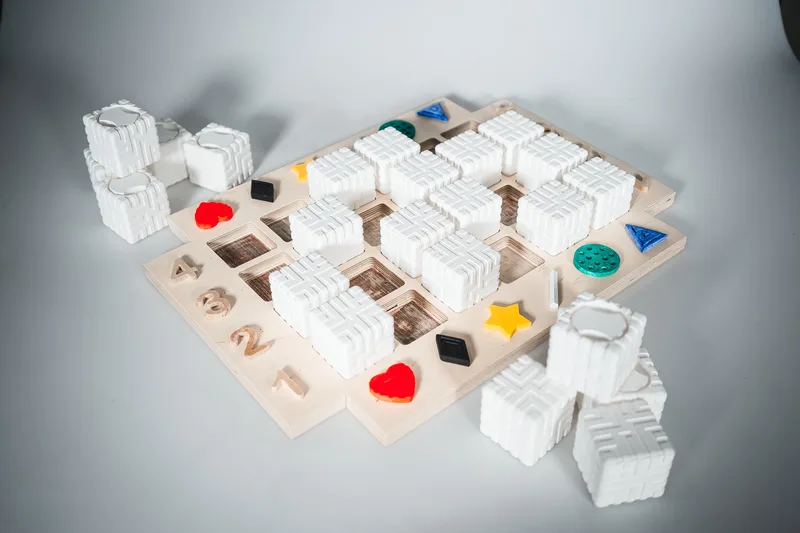
Developed a two-player tactile sound-matching game with spatial logic and audio clues.
No compromises
Demonstrated how design can empower inclusion - without compromising fun.
Future testing
Created a foundation for future testing in real school environments.
Act 1
Discovery
Empathy through data
- The project was grounded in literature on disability, play, and social psychology.
- I studied frameworks like the Cambridge Inclusive Design Toolkit to understand what aspects of the brief to prioritize, and what elements to highlight through the final product.
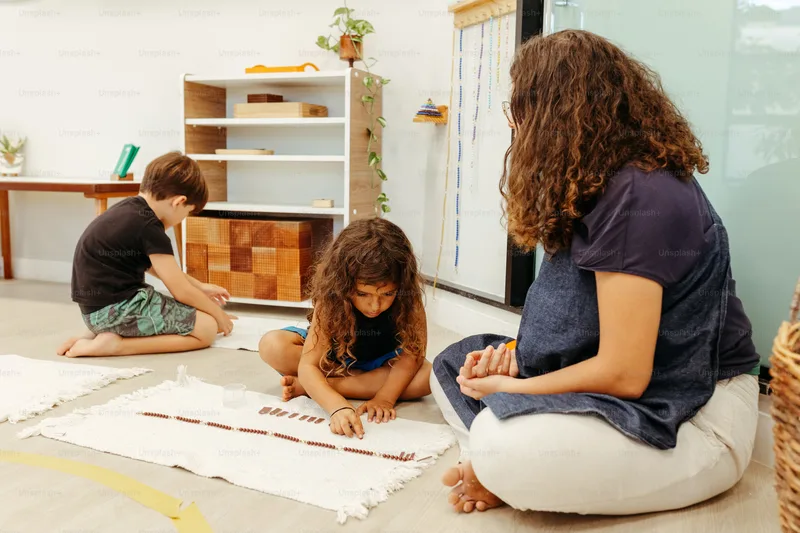
- Core finding is that successful inclusive games must be enjoyable for both parties, even if they engage the game differently. Visually impaired children need tactile accuracy and sound logic, sighted children need sensory stimulation and playfulness.
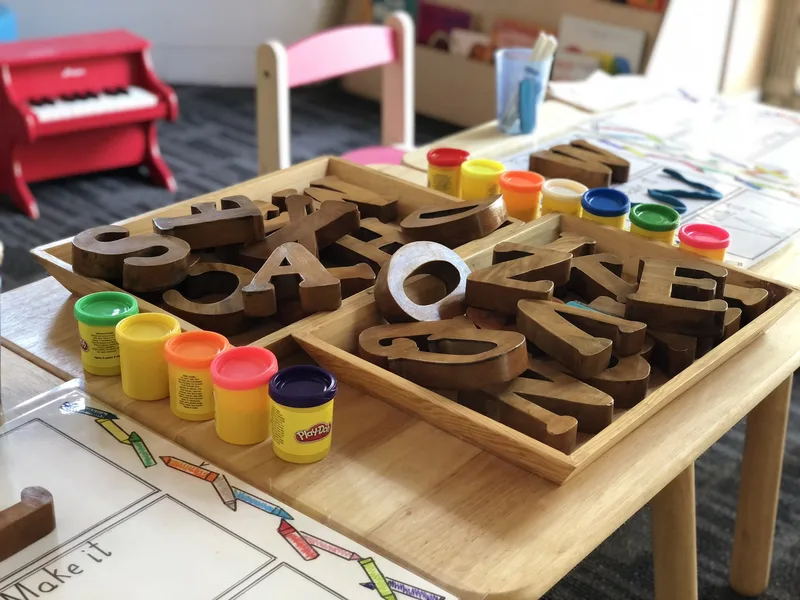
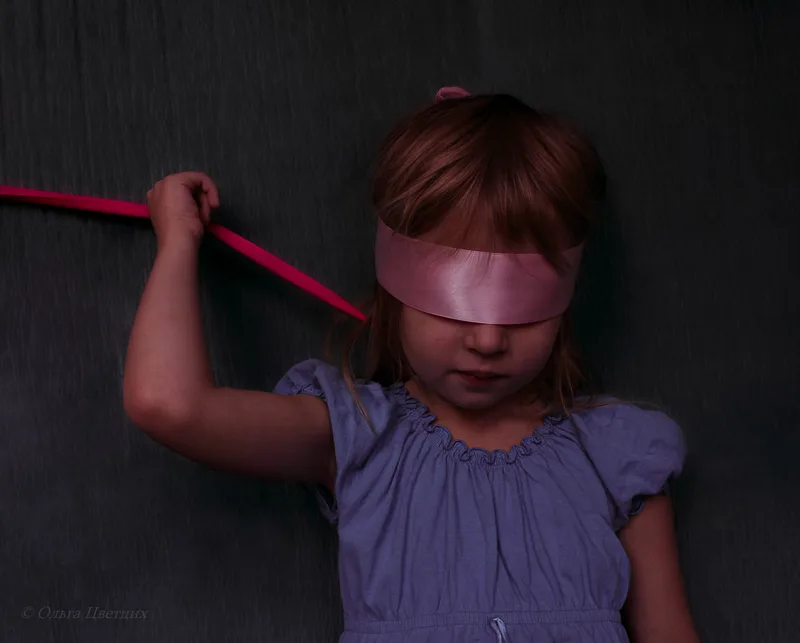
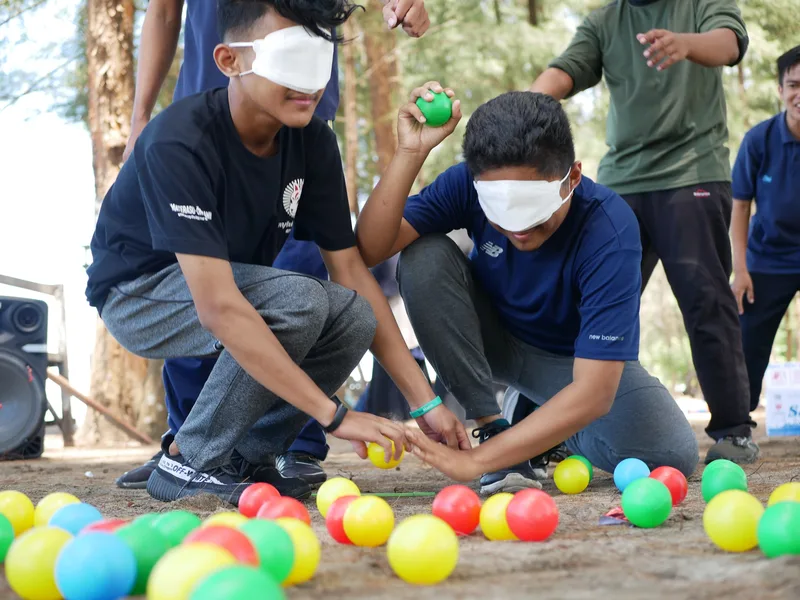
“Blindfolding sighted players (a common tactic) is far from true inclusion, rather creates artificial balance as opposed to sustainable engagement.”
Act 2
Directions to Product
Converging
- 7 weeks to crafting a tactile, engaging, and fair game experience meant a need for rapid decisions. So I converged right from the start.
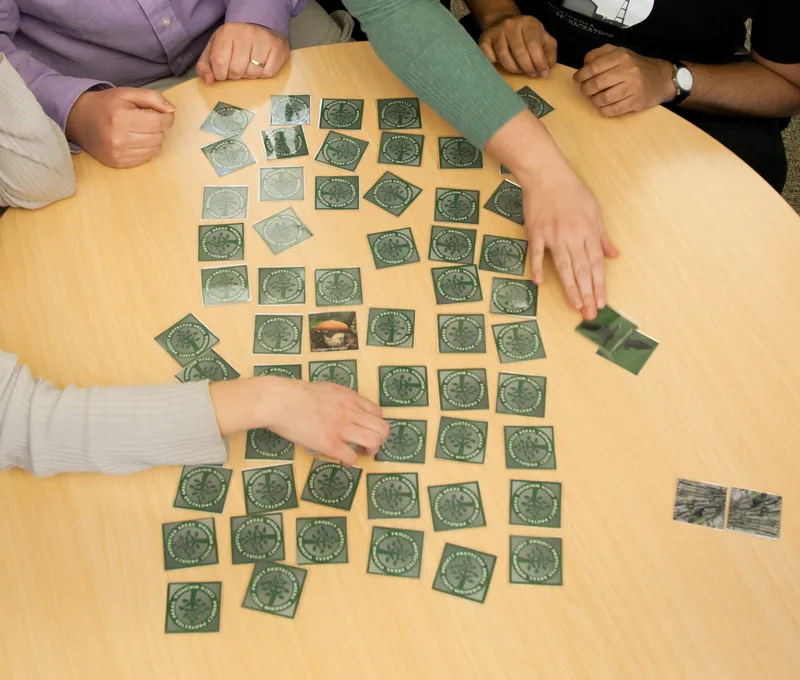
- The concept I decided to go for was a sound-based memory matching game where players shake boxes and identify matching sounds. I identified ease of play and learning as a core feature, and thus was inspired by very foundational, simpler games.
- This 2-player memory game was similar to the card matching game, but using sound instead. Players shake two boxes and try to find matching pairs.
Rapid iteration
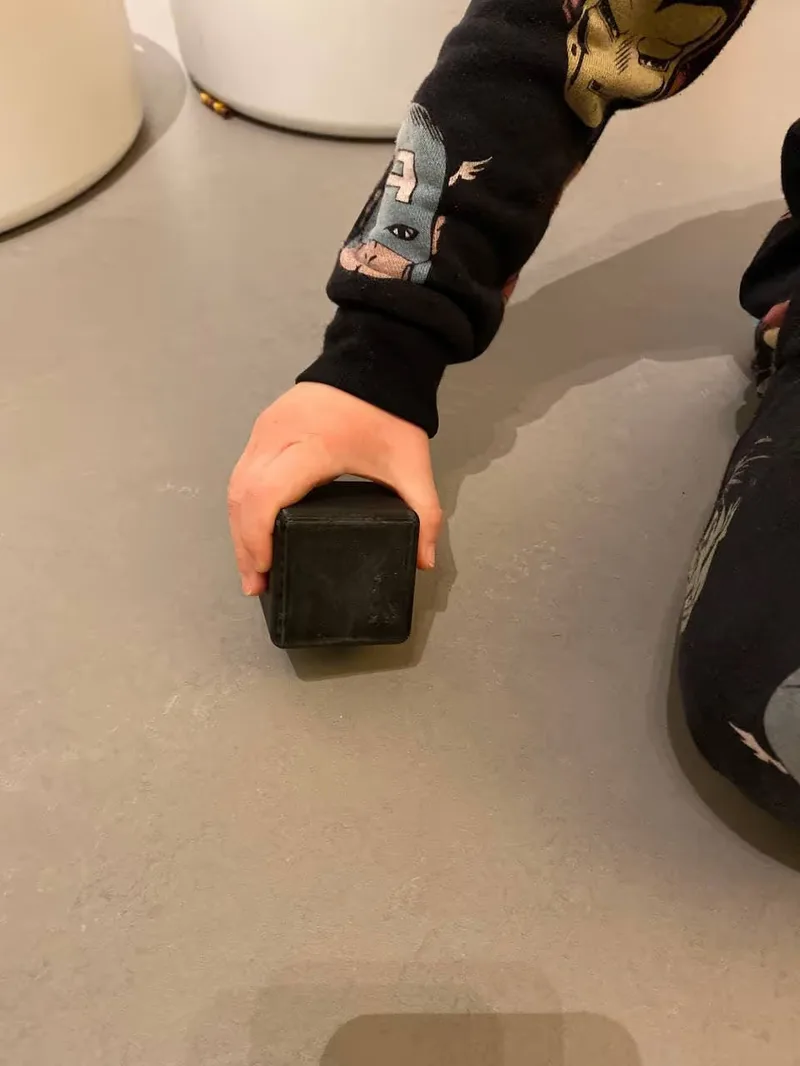
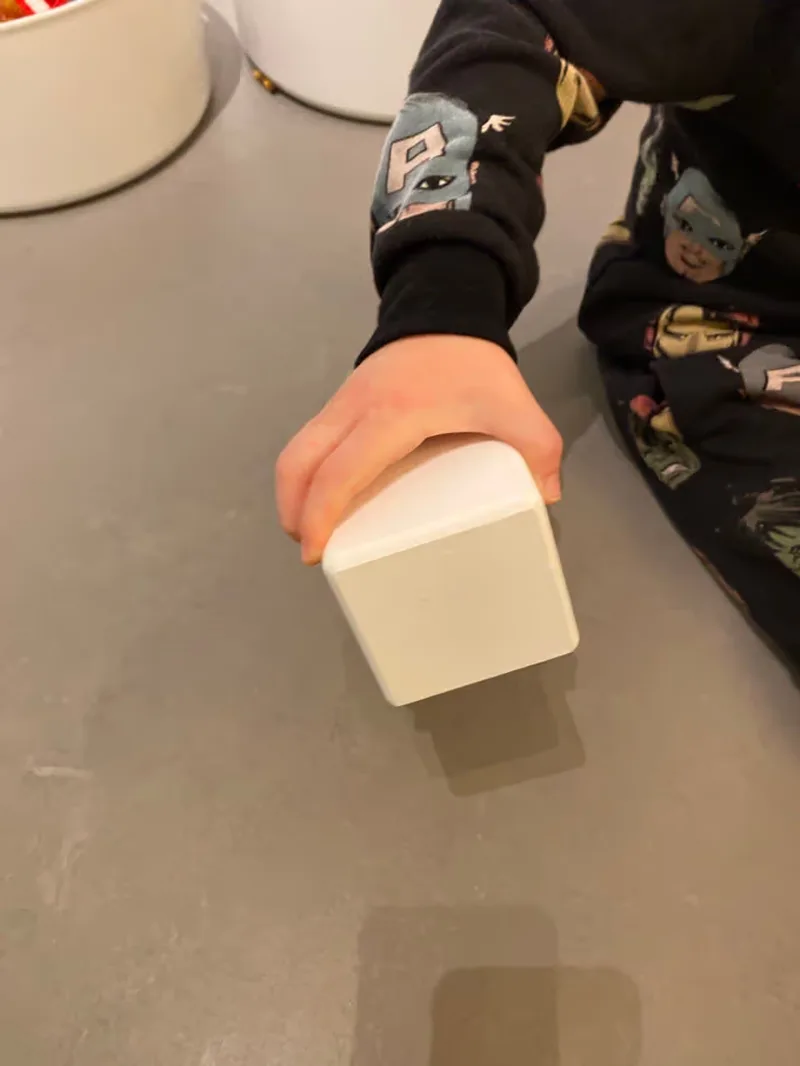
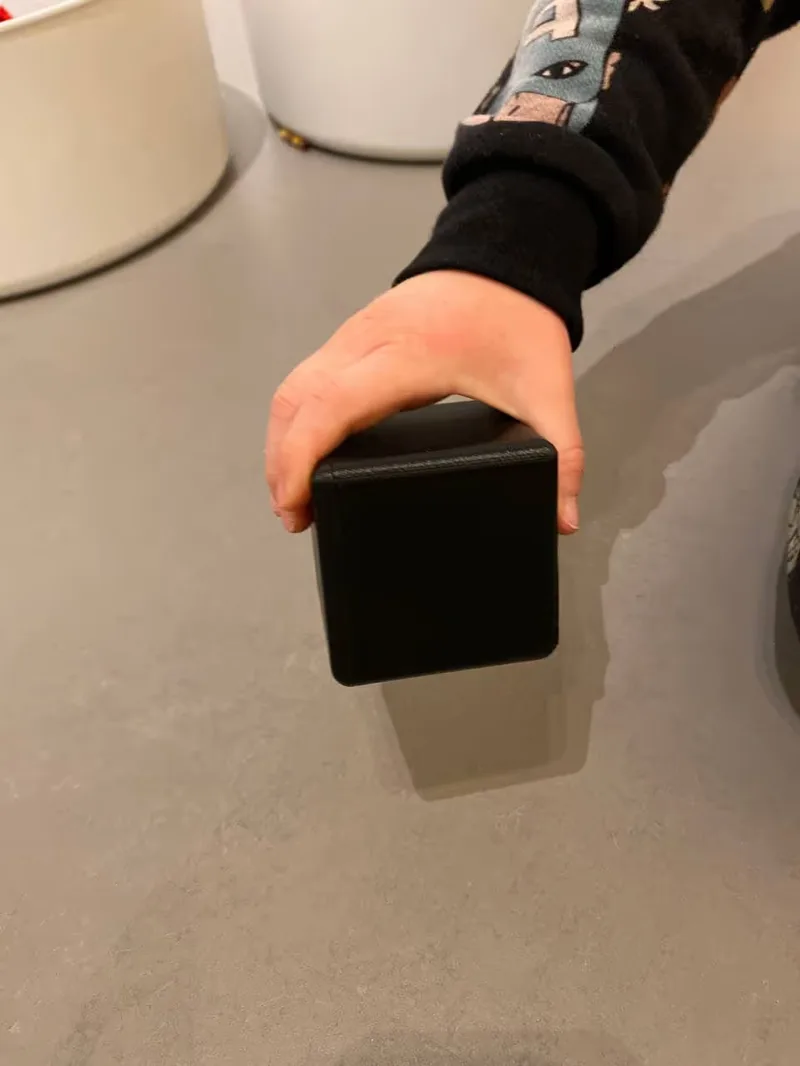
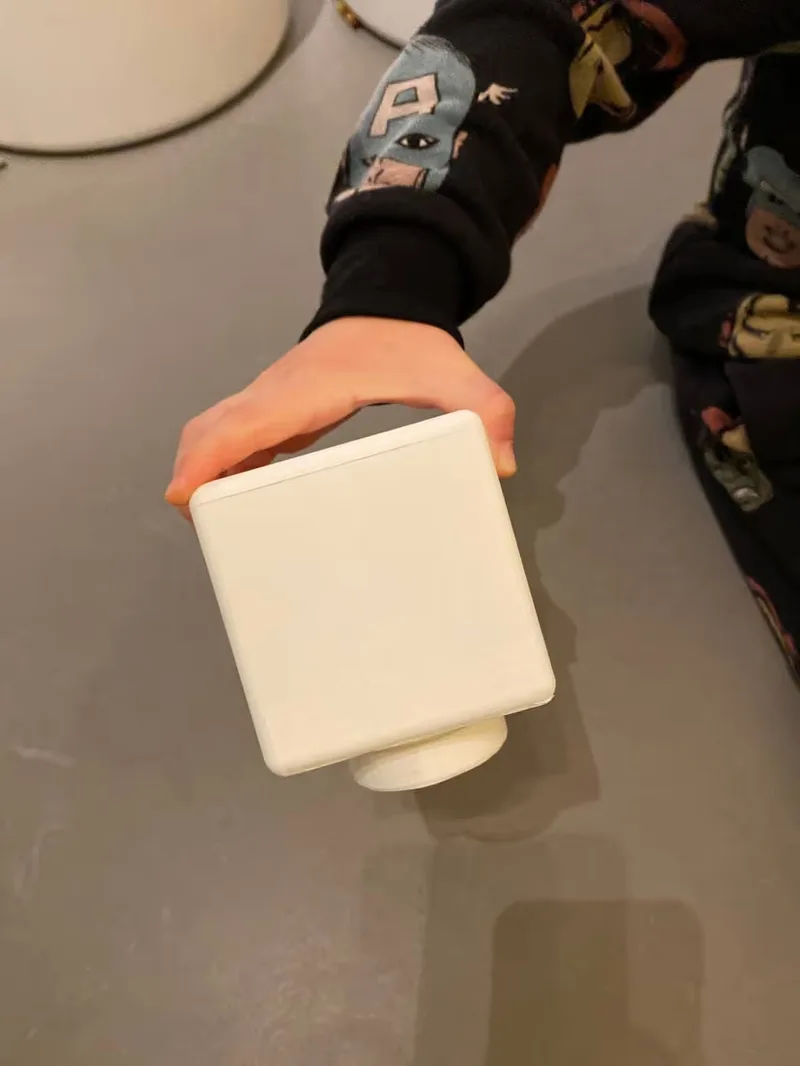
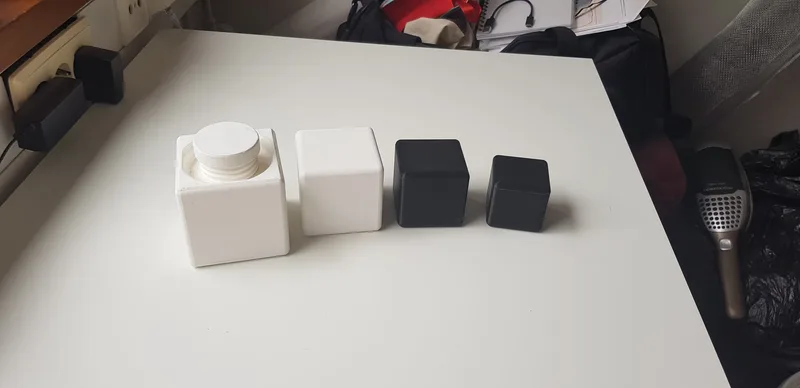
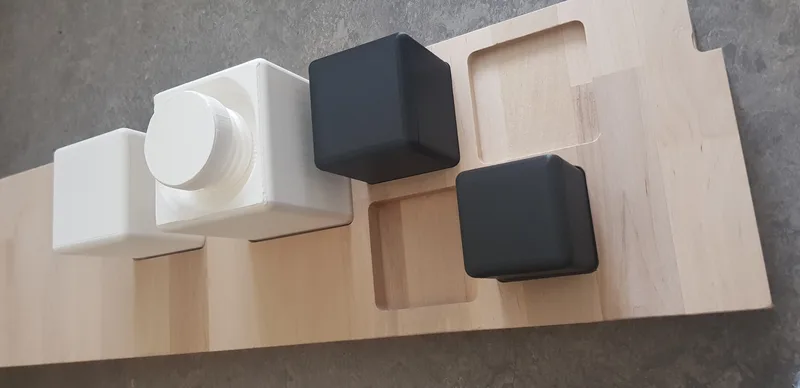
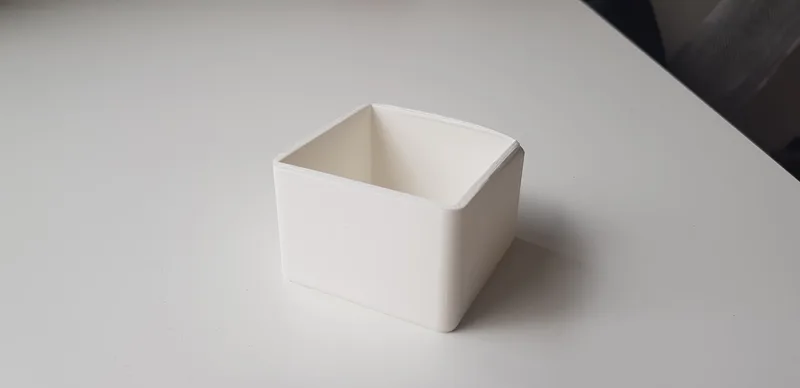
- Tested box sizes with children hands, trying to understand what sizes make the most sense - landing on 7cm one side as the most suitable as the larger ones were too hard to hold.
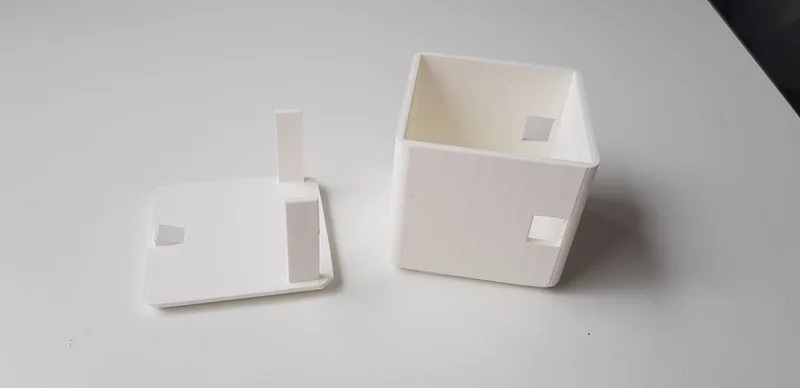
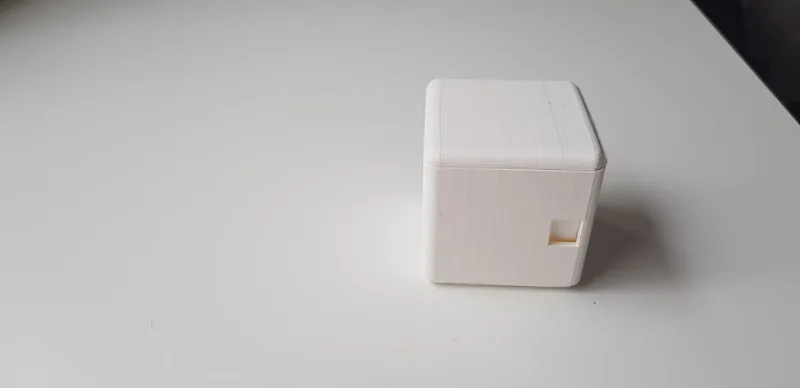
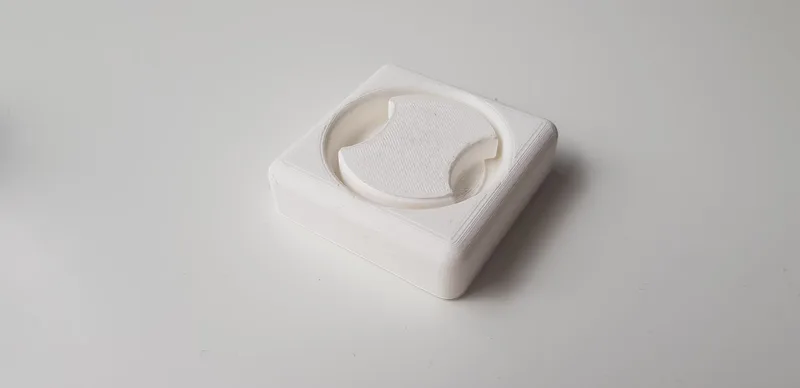
Capsule design
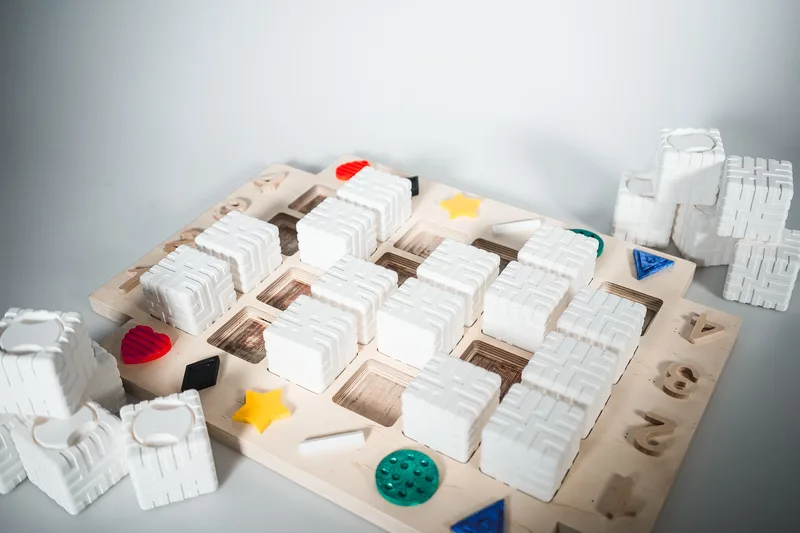
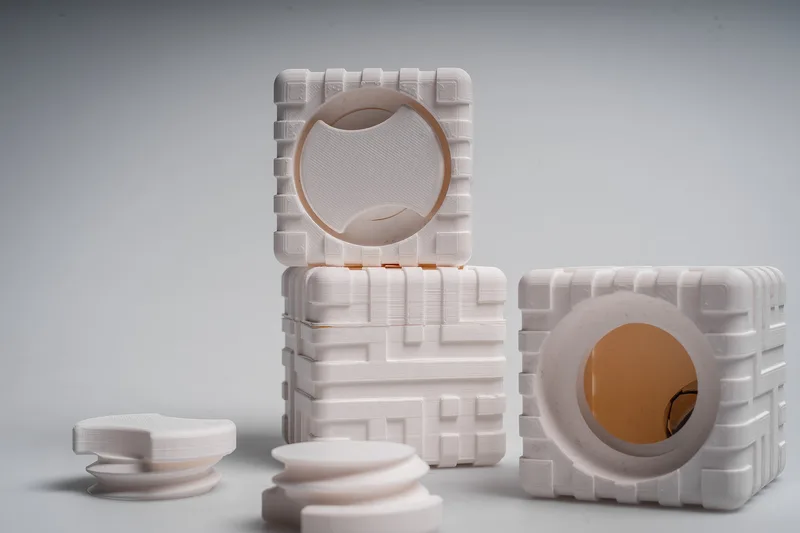
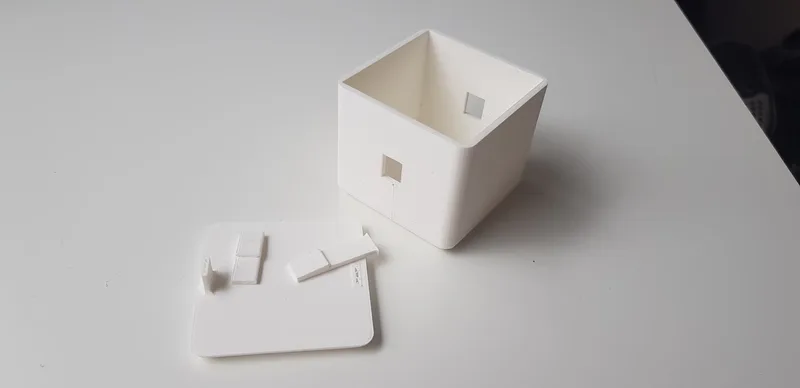
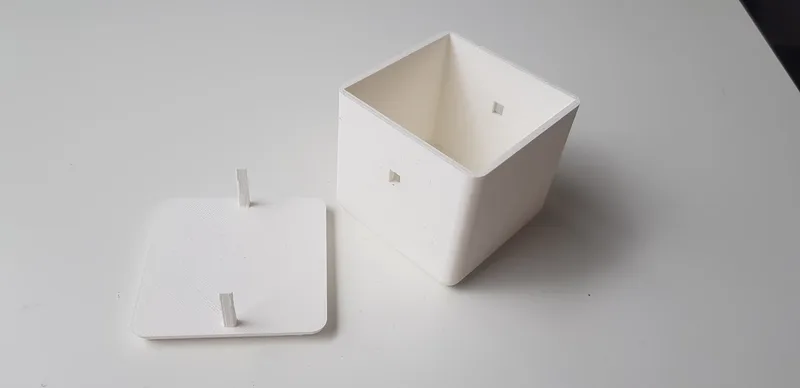
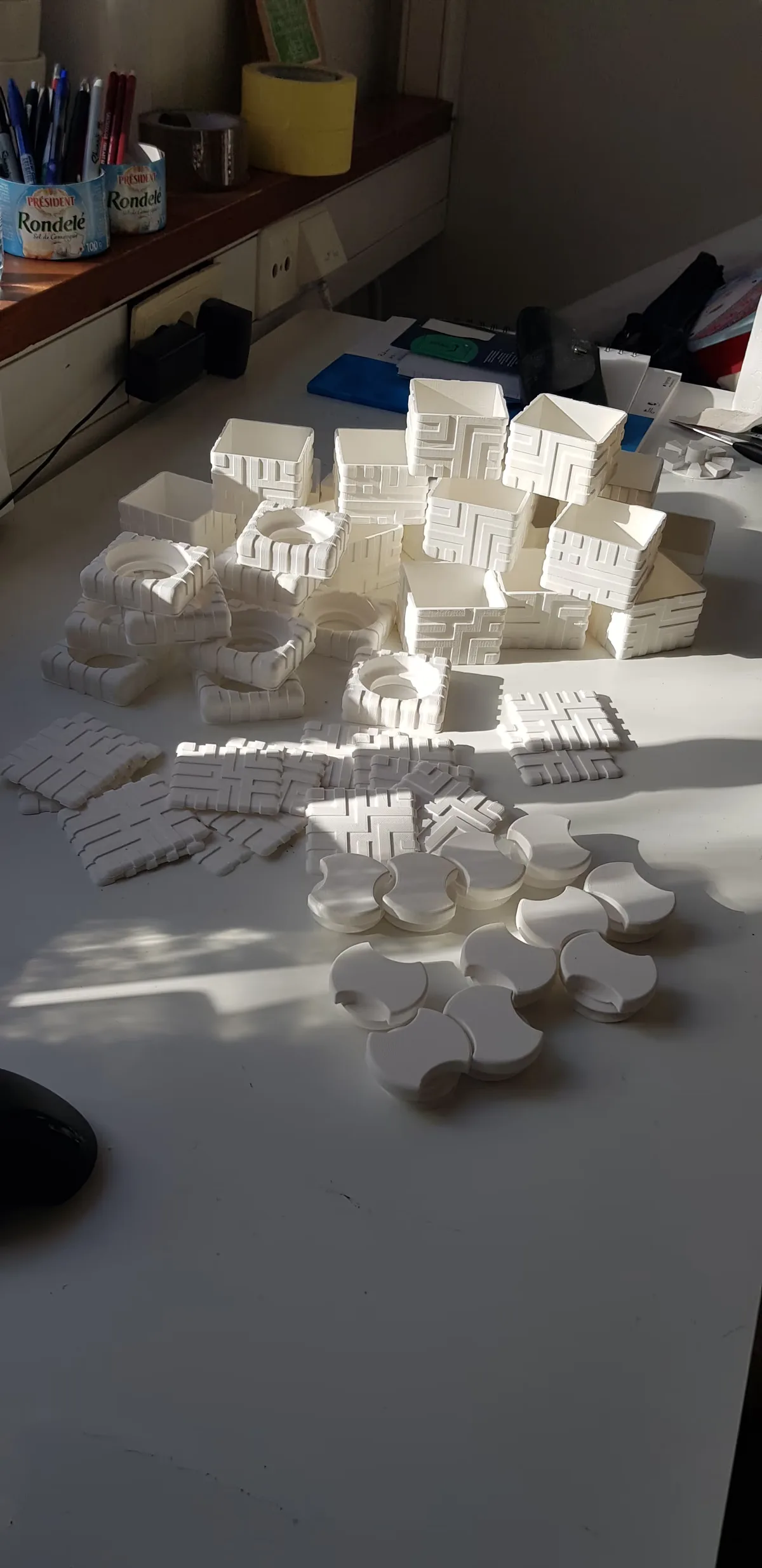
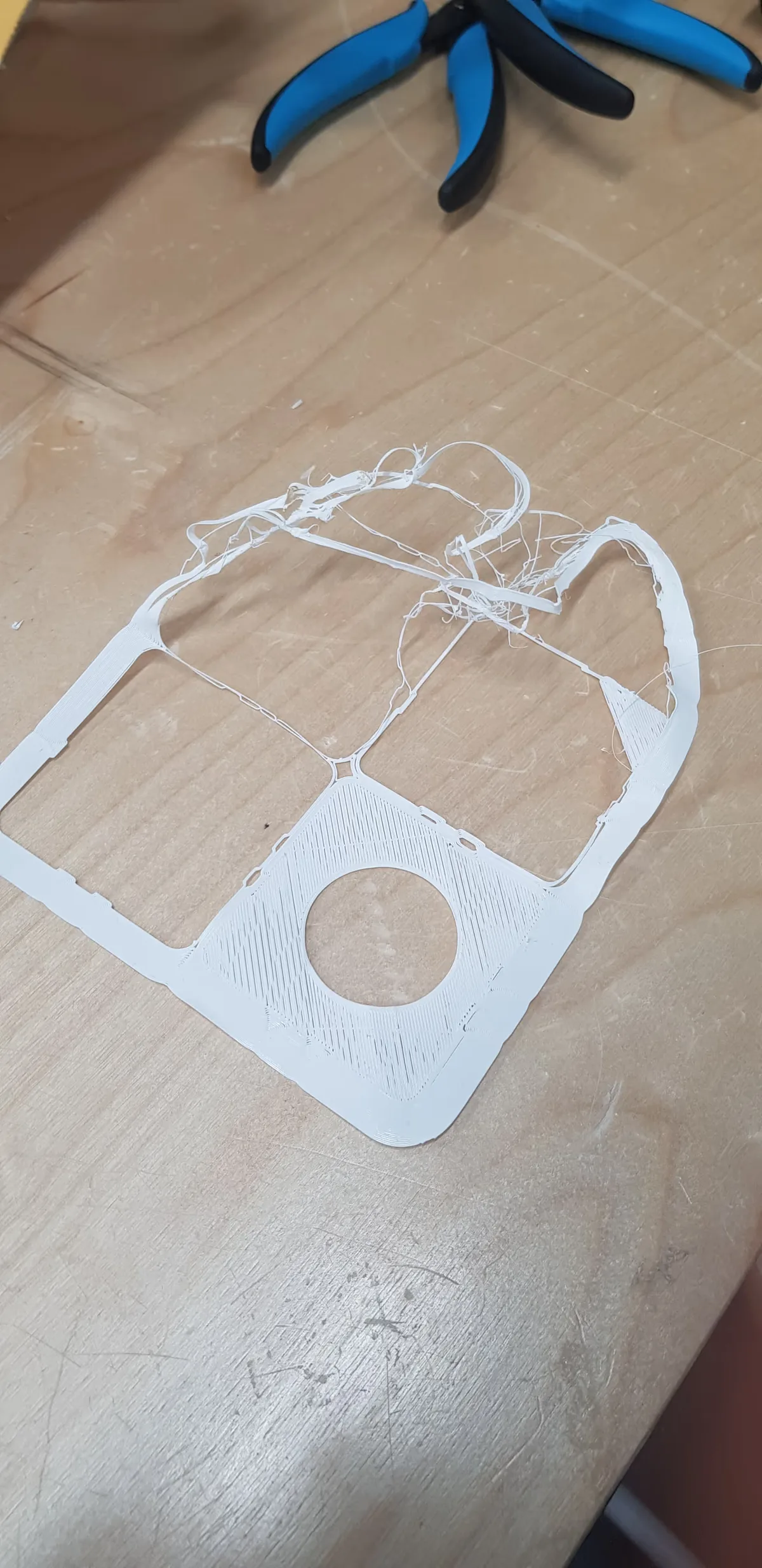
- Used 3D printing to prototype swappable sound capsules.
- Chose screw mechanisms to prevent accidental opening during play
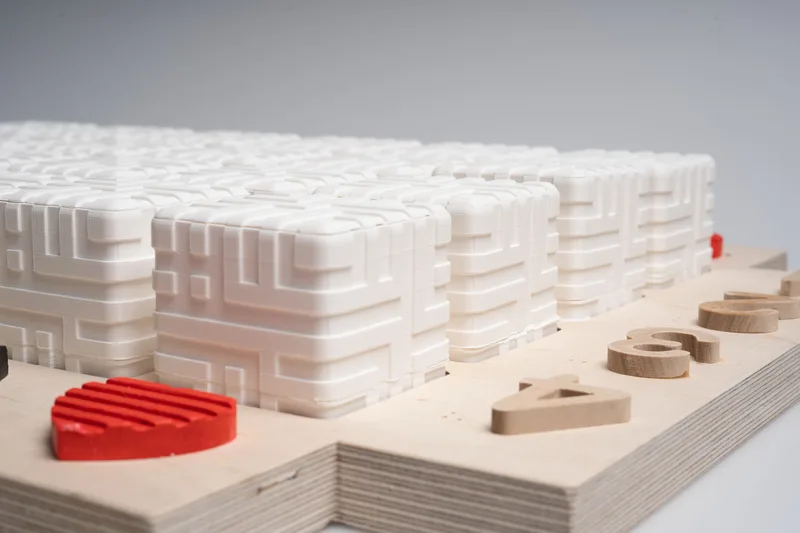
- Added textured surfaces for grip and sensory curiosity.
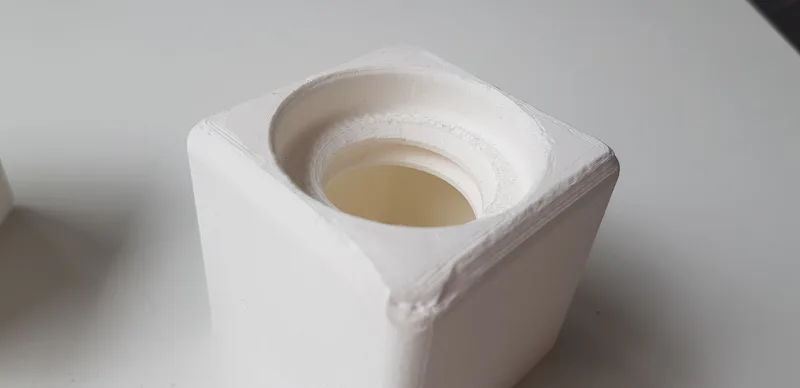
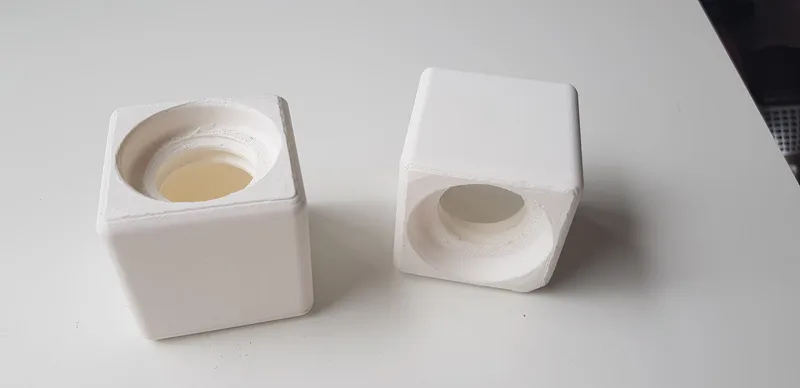
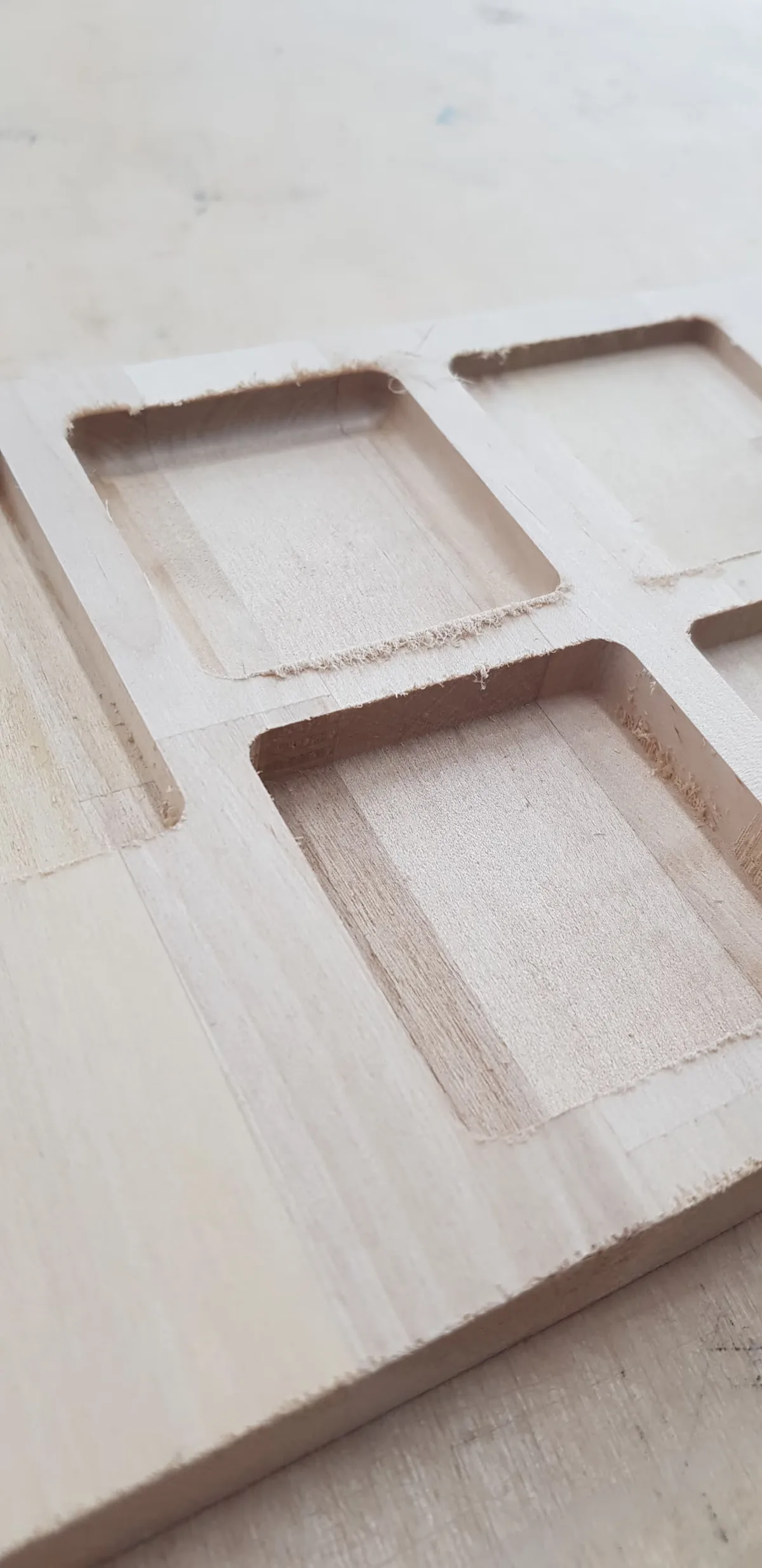
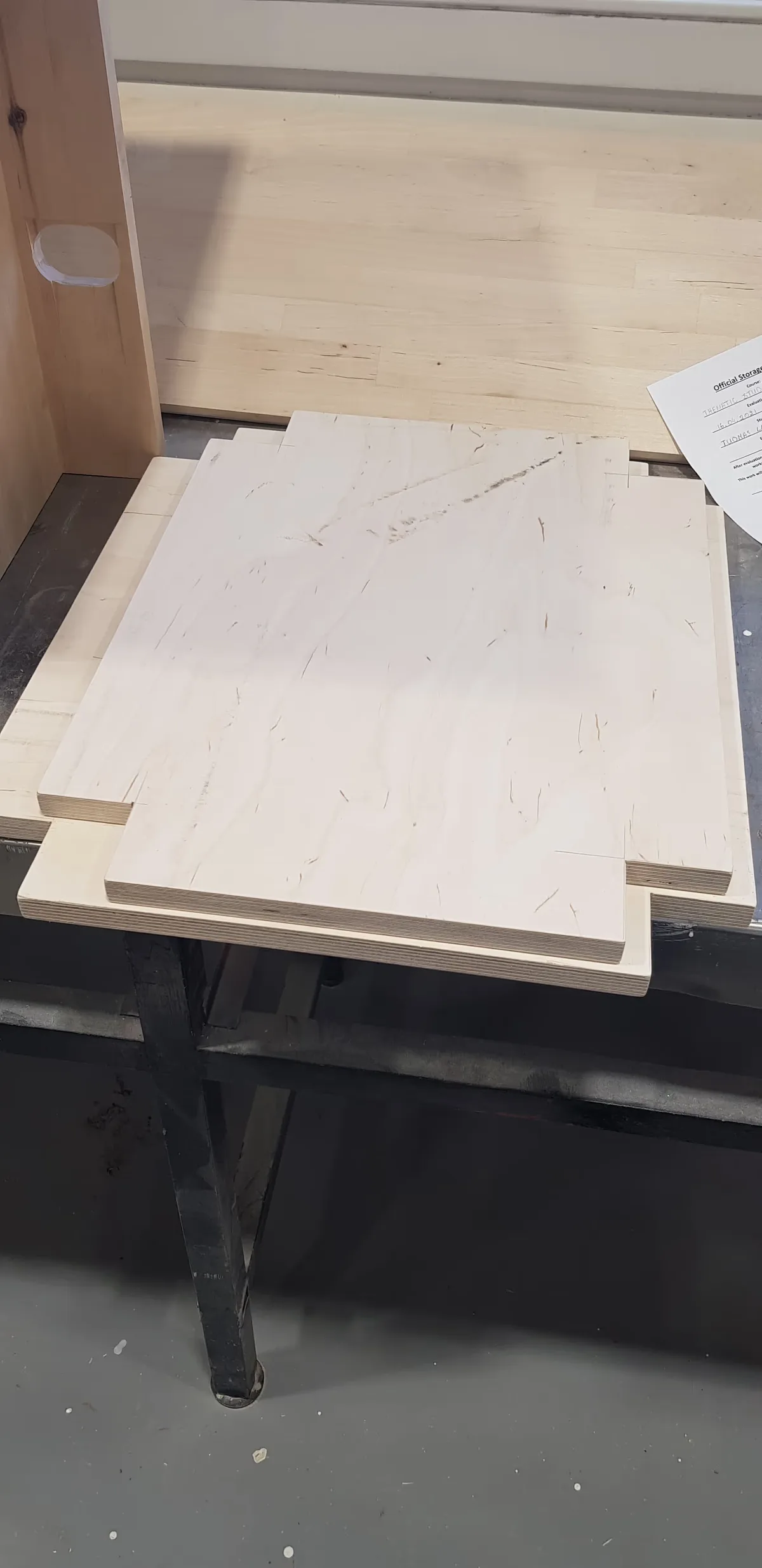
Board design
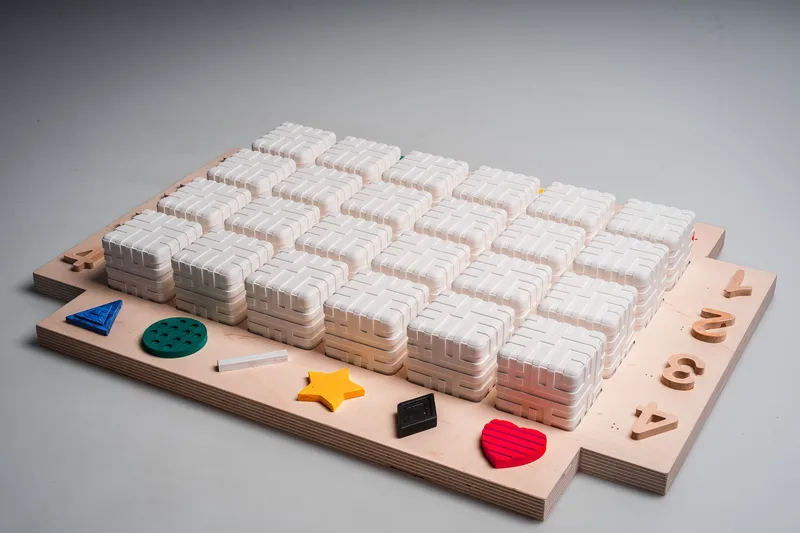
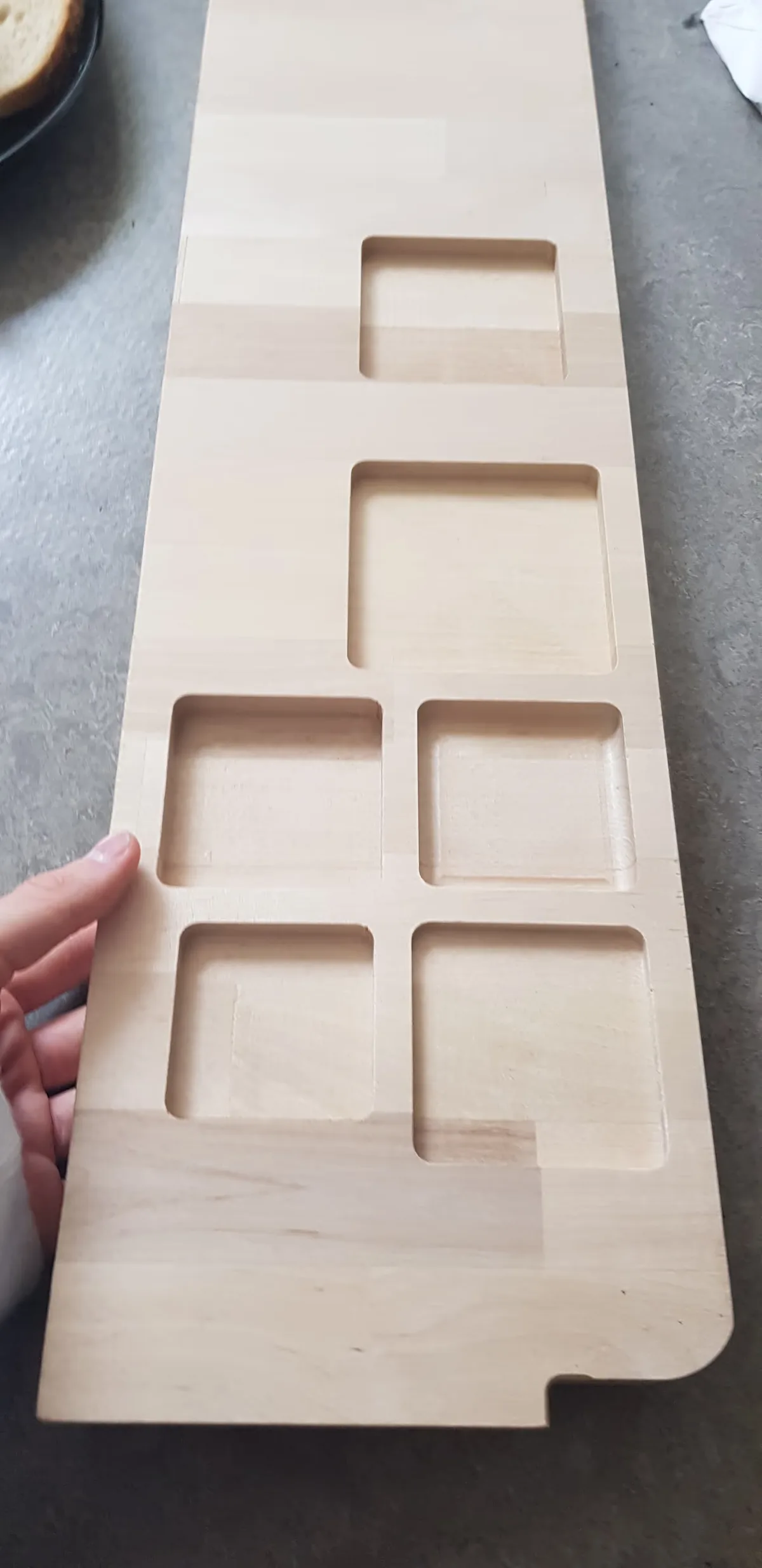
- CNC-milled wood board with recessed holes for each box.
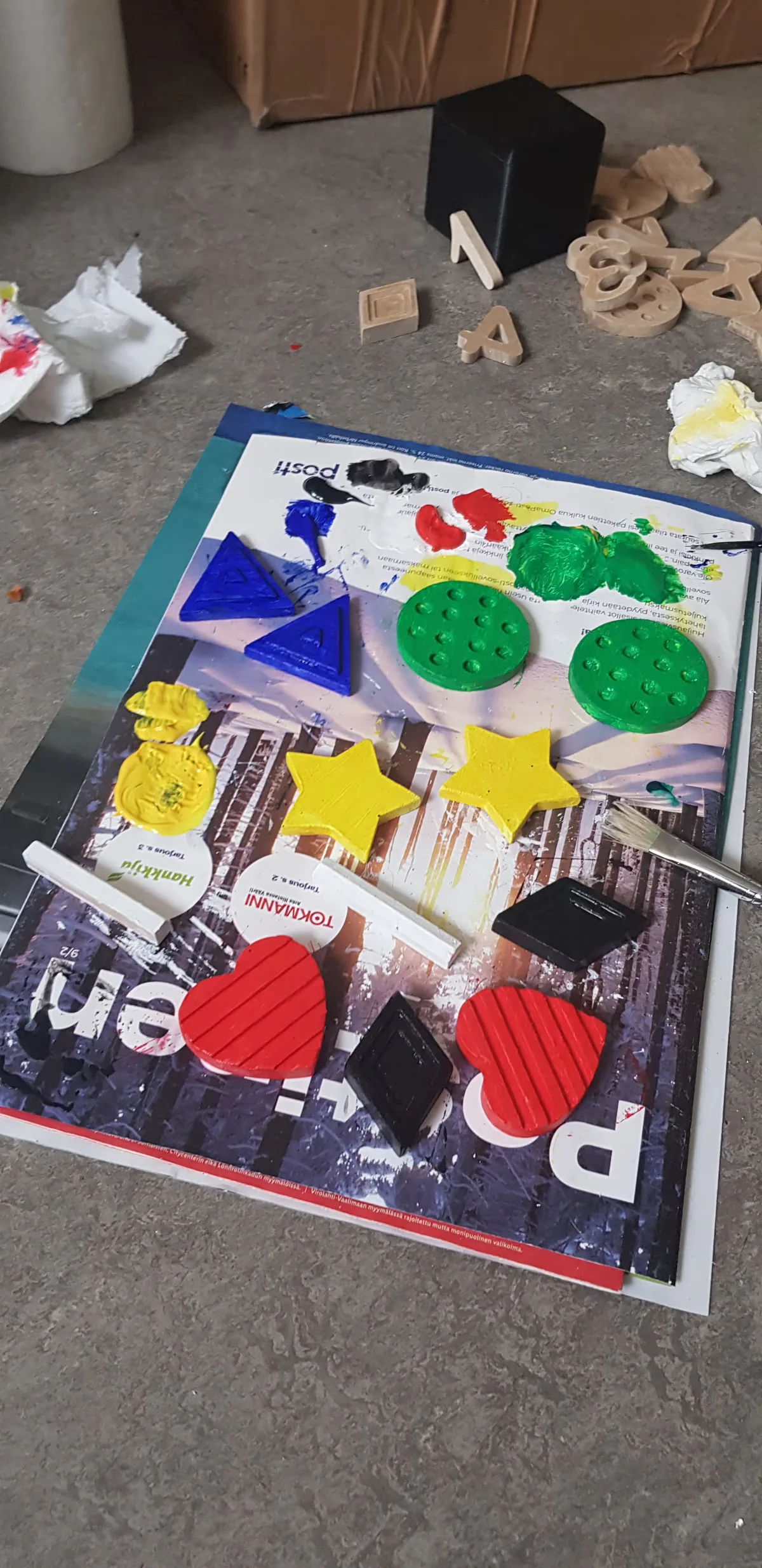
- Added shapes and Braille for column-row identification.
- Bright colors added to shapes, purely visual flair for sighted users.
Testing the prototype
- Because of the safety and privacy regulations for children, I only had access to testing the size of the box from a friend's child, but couldn't test the game with real children.
- I tested with adults, blindfolding them, as a UX simulation.
- Results: Game felt balanced for both parties. Some sounds too similar - suggested expanding sound library. Players enjoyed tactile challenge - some preferred being blindfolded. Game duration slightly long - room for scaling down grid size.
Act 3
Outcomes & Reflection
- Designing for people you can't directly test with is humbling.
- This project taught me how to balance accessibility, production logic, and play theory.
- I navigated unfamiliar territory by grounding myself in research and constantly prototyping.
What I'd change in the future: Test more surface textures and sound materials. Use lighter materials for board production. Reduce board size for shorter, faster gameplay. Test with actual visually impaired children, not blindfolded proxies.